What Is Sevusevu?
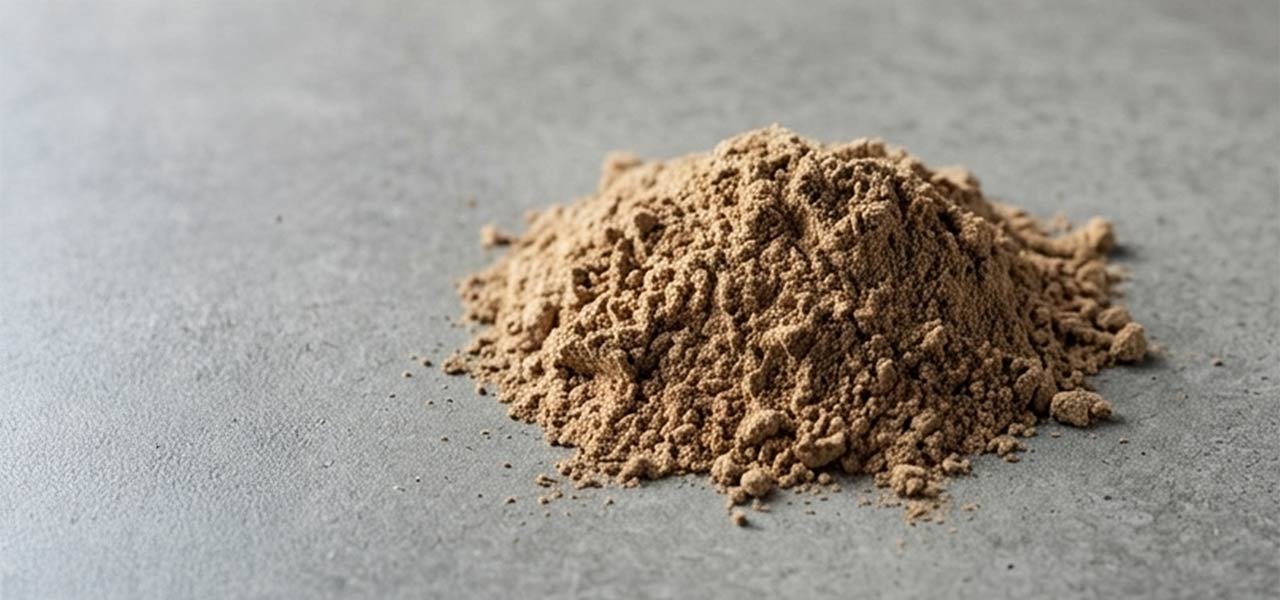
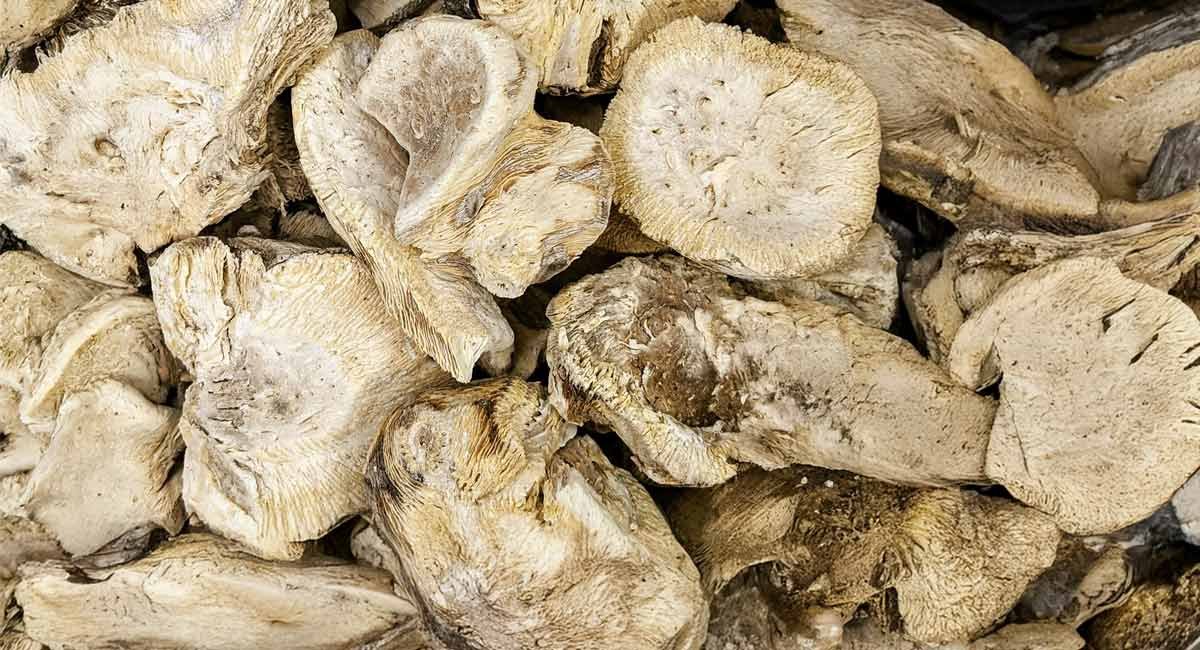
Sevusevu is the custom of presenting a bundle of kava root as a gift when visiting a Fijian village, a formal request to enter and be welcomed. A spokesman for the visitors delivers the offering with scripted dialogue explaining who they are and where they're from, often understating the humbleness of the gift as part of the etiquette. The village chief, or a high-ranking representative, then accepts the kava on the community's behalf and formally welcomes the guests. Oratory is highly valued in Fijian culture, so this exchange can take some time.
Once the sevusevu is accepted, visitors are considered under the village's care, free to swim, wander, and join in activities, which is part of why this small courtesy carries so much weight relative to its actual cost.
How the Kava Is Prepared and Served
Dried yaqona root is pounded and mixed with water in a large wooden bowl called a tanoa. A tu yaqona (cup-bearer) then serves it to guests and villagers one at a time in a bilo, a cup traditionally made from half a coconut shell. Hosts typically offer a choice between a full cup ("high tide") and a half cup ("low tide"), and it's common, even expected, to go easier on first-timers.
Etiquette for Receiving Your Bilo
When your turn comes, clap once with cupped hands, a gesture called the cobo, say "Bula" (which means "life"), take the bilo, and drink it in one go rather than sipping. Once you've finished, hand the bilo back to the person who served it and clap again, often three times in more formal settings, sometimes adding "vinaka" (thank you). It's considered impolite to show distaste for the taste, so a neutral expression is the safer choice even if the flavour catches you off guard.
Elders and higher-ranking guests are usually served first, and the bilo moves through the circle in that order. Following the sequence your hosts set, rather than reaching ahead of your turn, is itself a form of respect.
Casual Kava vs Formal Ceremony
Not every bowl of yaqona in Fiji is a formal ceremony. Kava is also shared casually among friends, family, and neighbours, often alongside talanoa (conversation) that can run late into the evening. The sevusevu protocol described above applies specifically to entering a village or a more formal social occasion, not to every cup of kava a Fijian household shares.