
Origins & Regions
Kava's story starts in Vanuatu and stretches across the Pacific, and where it's grown still shapes what ends up in your cup.
This hub covers kava's origins and the growing regions that produce it today: Fiji, Vanuatu, Tonga, Samoa, Hawaii, and the wider global market beyond the Pacific. Looking for the ceremonial side of these cultures instead? Our Meaning & Culture guides cover that.
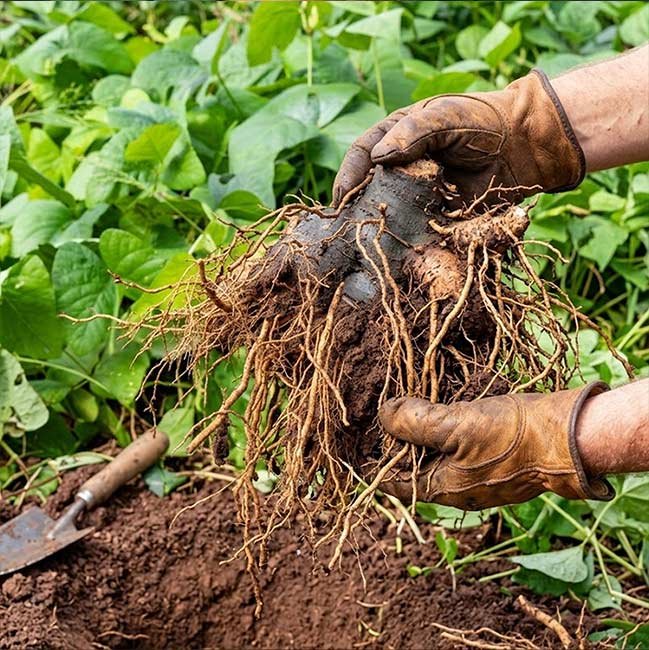
Where Does Kava Come From?
The origins and growing regions behind every cup of kava.
Read Guide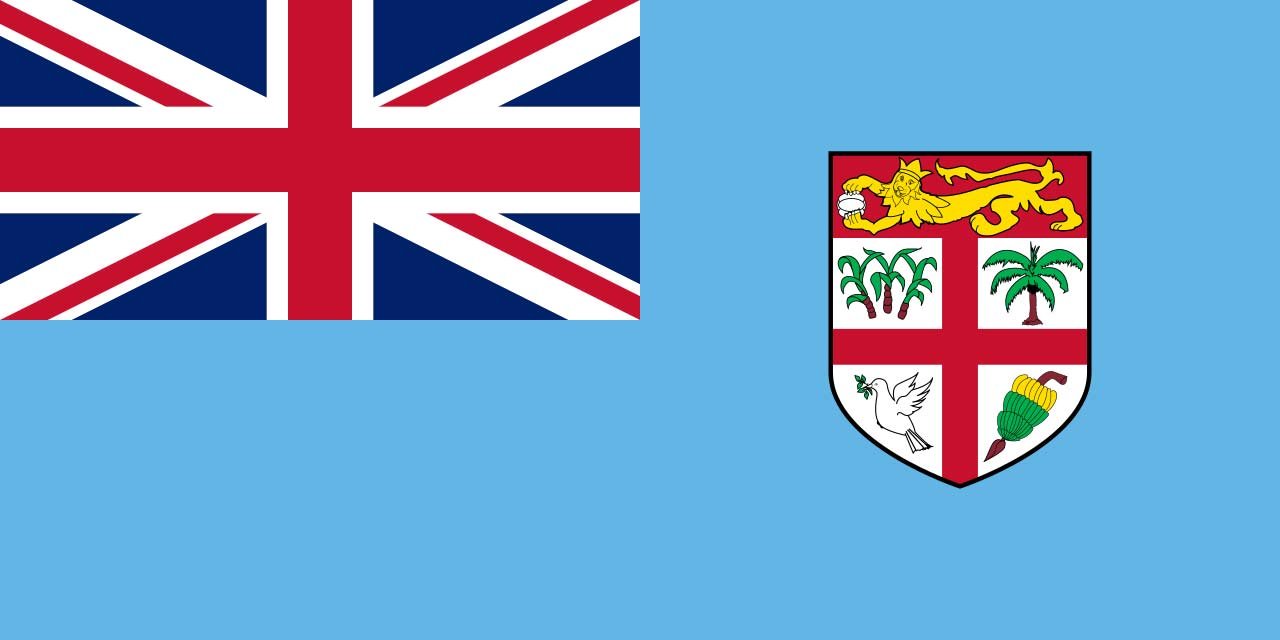
Kava in Fiji
Yaqona, varieties, and culture in one of kava's best-known producing nations.
Read Guide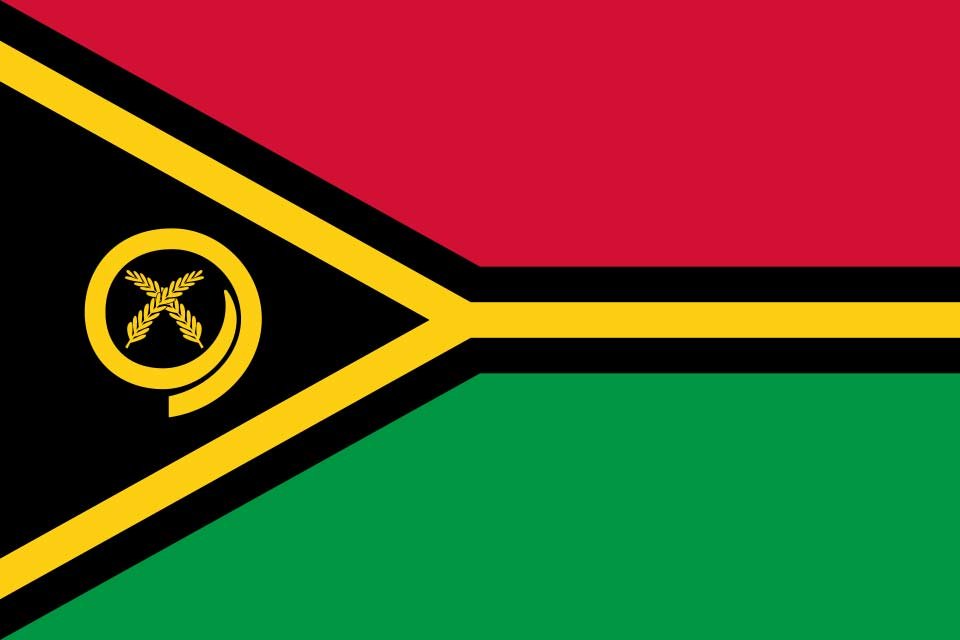
Kava in Vanuatu
Origins, over 80 documented varieties, and culture in kava's likely birthplace.
Read Guide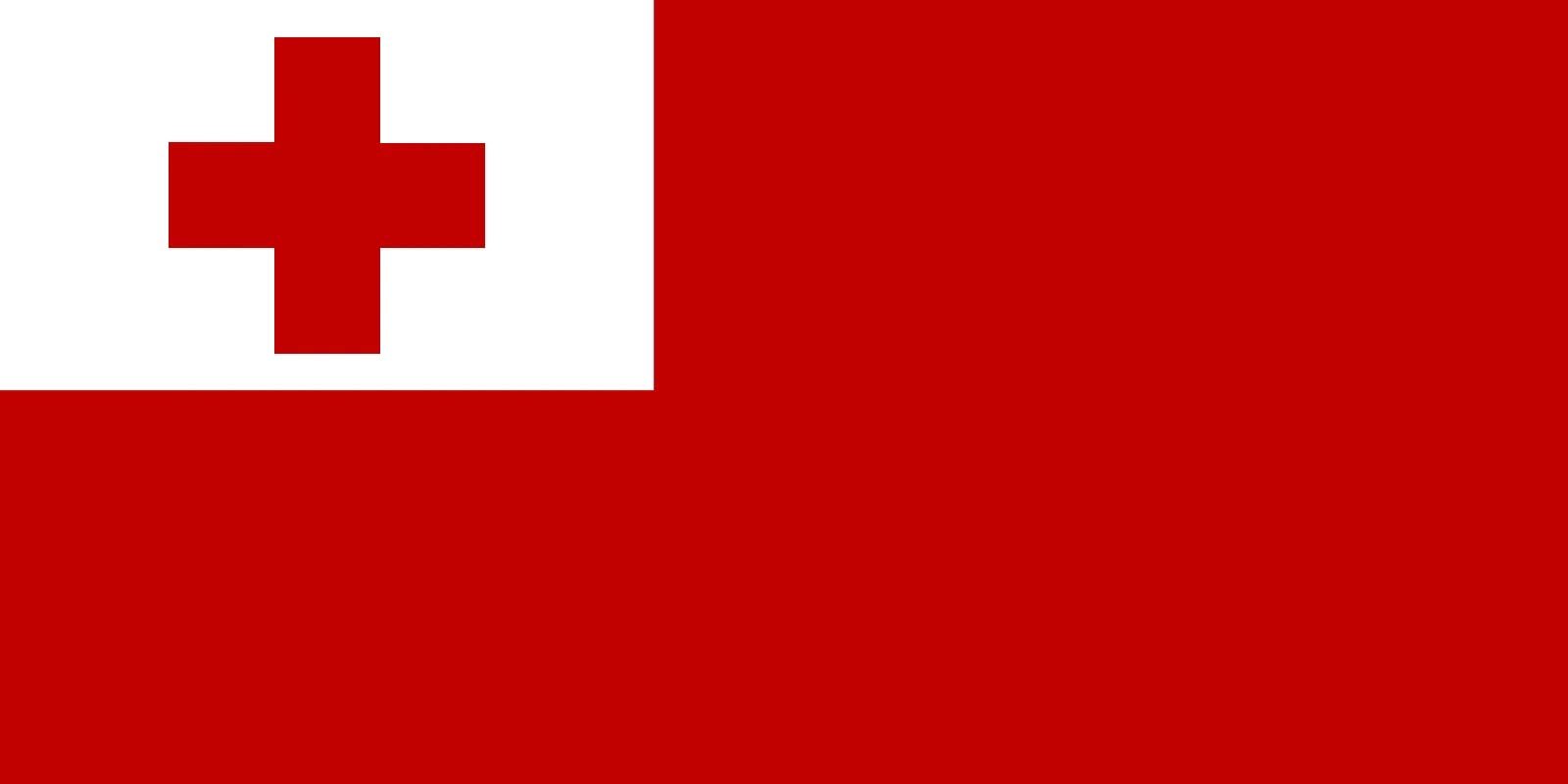
Kava in Tonga
Varieties and ceremony in the kingdom where kava is tied to chiefly protocol.
Read Guide
Kava in Samoa
Ava and culture, and the matai system's role in Samoan tradition.
Read Guide
Kava in Hawaii: Awa Cultivation
Modern awa growing in Hawaii, and the varieties unique to the islands.
Read Guide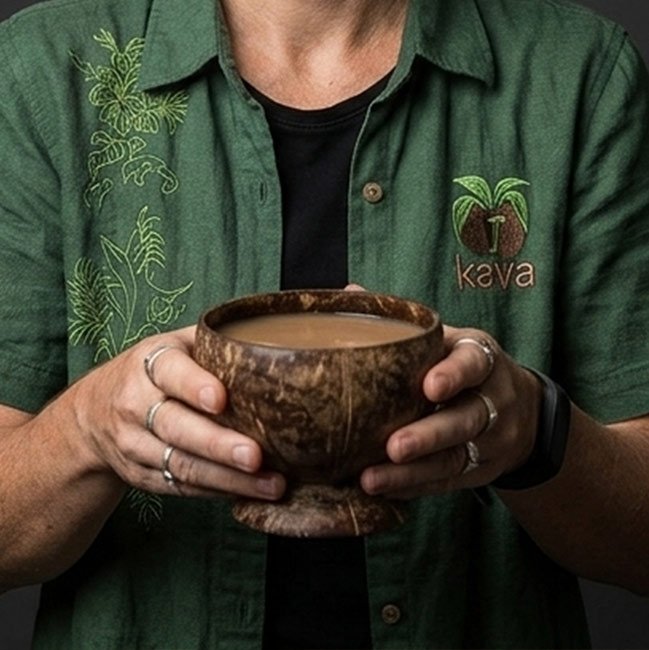
The Global Kava Market
Diaspora, trade, and export: how kava reaches markets beyond the Pacific.
Read Guide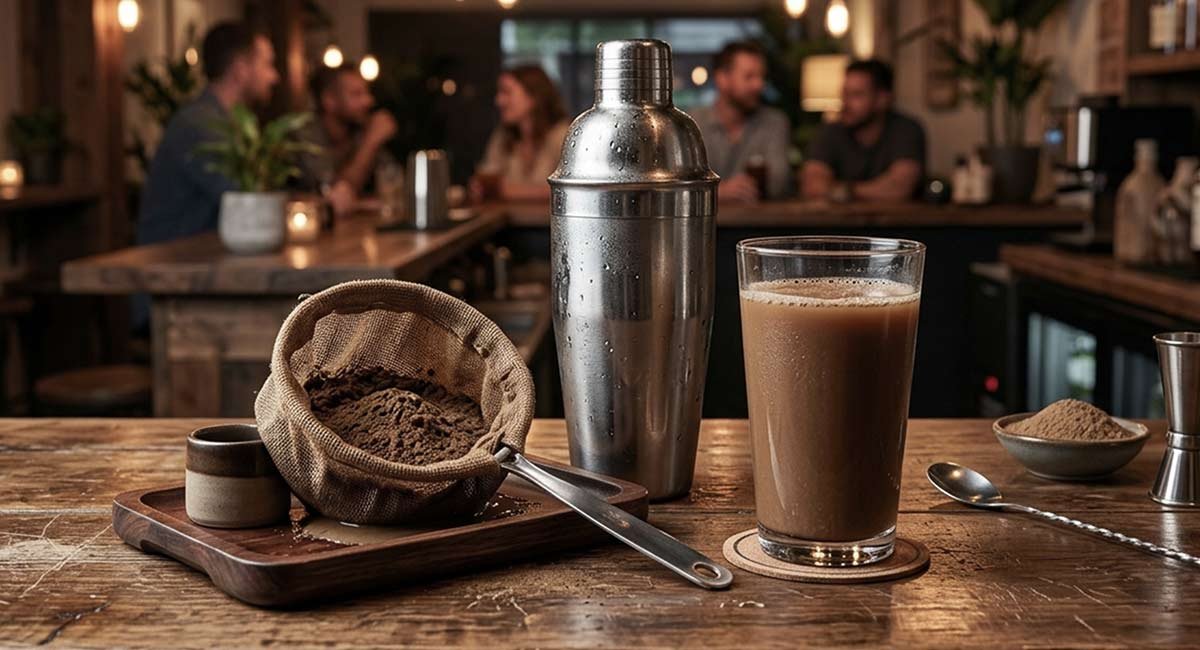
Kava Bars Around the World
A regional overview of where kava bars have taken hold outside the Pacific.
Read Guide
Find Kava From a Specific Origin
Browse farms, growers, and suppliers tied to Fiji, Vanuatu, Tonga, and beyond.
Browse Farms & GrowersFrequently Asked Questions About Kava Origins & Regions
Most evidence points to northern Vanuatu, where kava was domesticated roughly 2,500 to 3,000 years ago before spreading across the Pacific. See: Where Does Kava Come From?
Yes, in cultivar, growing conditions, and how it's traditionally used. See Kava in Fiji and Kava in Vanuatu for the specifics of each.
Yes, Hawaii has its own long-standing awa cultivation, and small-scale growing exists elsewhere, though the vast majority of kava sold globally is still grown in the Pacific. See Kava in Hawaii and The Global Kava Market.
Kava bars have spread well beyond the Pacific in recent years, especially in the United States. See Kava Bars Around the World, or browse our directory of kava bars directly.
Cultivar matters more than country alone, but growing region does influence flavour and kavalactone profile. See our Types of Kava guide for how origin and cultivar interact.