
What Is Kava?
Kava is a traditional Pacific plant, prepared as a drink, that has been central to social and ceremonial life across many Pacific Island cultures for thousands of years. Made from the root of Piper methysticum, it produces a calm, sociable feeling without the intoxication of alcohol.
Kava means different things in different places. In Fiji it's yaqona, offered as sevusevu when visiting a village. In Tonga and Samoa it has long been tied to chiefly protocol and formal gatherings. In Vanuatu, widely considered its origin point, it's an everyday part of life at the nakamal. And in recent years, kava has found a new audience far from the Pacific, served in kava bars as an alcohol-free alternative. Understanding kava means looking at both its roots and how far it has travelled.
What Is Kava Made From?
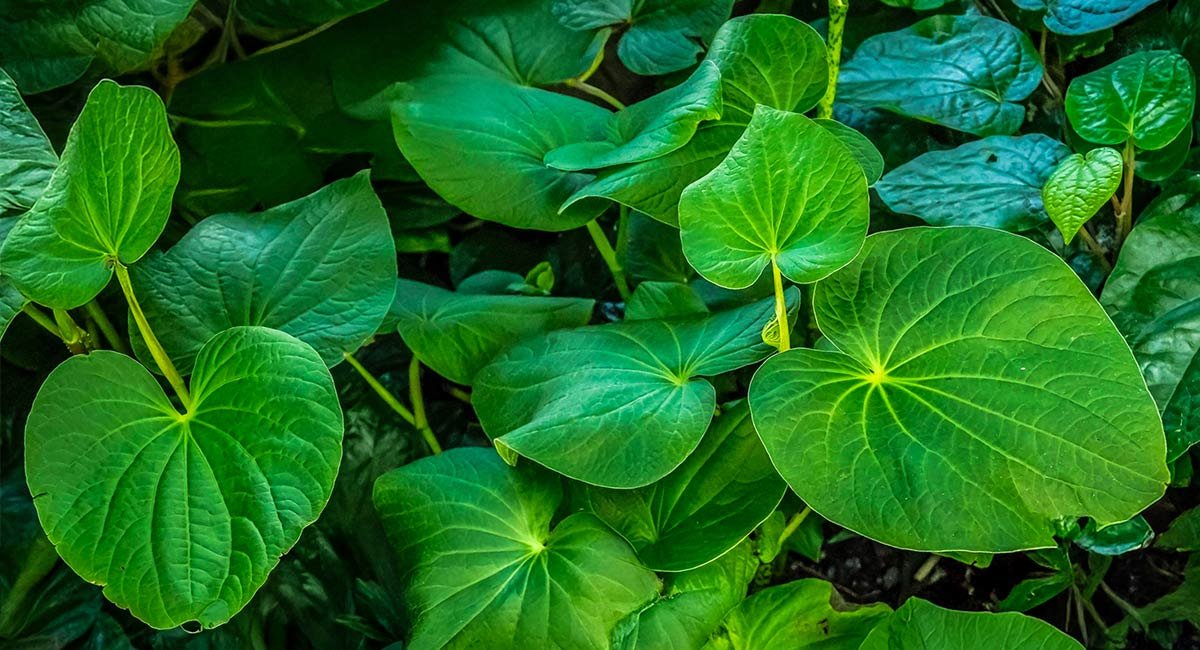
Kava is the common name for Piper methysticum, a shrub in the pepper family, Piperaceae. The name means "intoxicating pepper," given by the German naturalist Johann Georg Forster, who documented the plant while travelling with Captain Cook's voyages to the Pacific in the 1770s.
The part of the plant used is the root and rootstock, which contain the highest concentration of kavalactones, the compounds responsible for kava's characteristic calming effect and the mild numbing sensation it produces on the lips and tongue. Read more: Types of Kava and Kava Chemotypes & Kavalactones Explained.
Kava as a Cultural and Social Tradition
Long before it reached bars outside the Pacific, kava held, and still holds, real ceremonial and social weight across the islands where it originated. Practice varies meaningfully by country and community, so it's worth resisting the idea of one generic "Pacific kava culture."
In Fiji, kava (known as yaqona) is central to sevusevu, the formal presentation of kava root when visiting a village or meeting a chief, a gesture of respect and a request for welcome.
In Vanuatu, widely considered kava's place of origin, it's traditionally consumed at the nakamal, a communal meeting space, often at dusk, and remains part of daily social life for many communities.
In Tonga and Samoa, kava (ava in Samoan) has long been linked to chiefly and matai protocol, formal gatherings, and welcoming ceremonies, with etiquette that differs from Fiji's.
In Hawaii, awa carries its own history, traditionally associated with the ali'i (chiefs) and healing practices, and is seeing a modern cultural revival.
Because these traditions differ, we cover each on its own terms rather than folding them into a single narrative. Explore: The Fijian Kava Ceremony, The Vanuatu Kava Ceremony & Nakamal Culture, The Tongan Kava Ceremony, and The Samoan Ava Ceremony.
Where Does Kava Come From?
Most evidence points to northern Vanuatu as the place where kava was first domesticated, roughly 2,500 to 3,000 years ago, from a wild ancestor plant known as Piper wichmannii. From there, kava spread across the Pacific with Austronesian voyagers, reaching Fiji, Tonga, Samoa, and eventually Hawaii.
Piper methysticum doesn't produce viable seed, so every kava plant grown today descends from cuttings, a living link back through generations of Pacific farmers who selected and propagated the varieties still grown now. Read more: Where Does Kava Come From?, Kava in Fiji, and Kava in Vanuatu.
Noble Kava vs Tudei Kava
Not all kava is the same, and the distinction matters for more than taste. Noble kava refers to cultivars that have traditionally been used for everyday and ceremonial drinking, and are generally well tolerated. Tudei kava (sometimes called "two-day" kava for its longer-lasting effects) refers to cultivars that some Pacific producer countries, including Fiji, restrict from export over quality and safety concerns.
Reputable kava vendors should be able to tell you which cultivar their kava is. Read the full guide: Noble Kava vs Tudei Kava: What's the Difference and Why It Matters.
How Is Kava Traditionally Prepared?
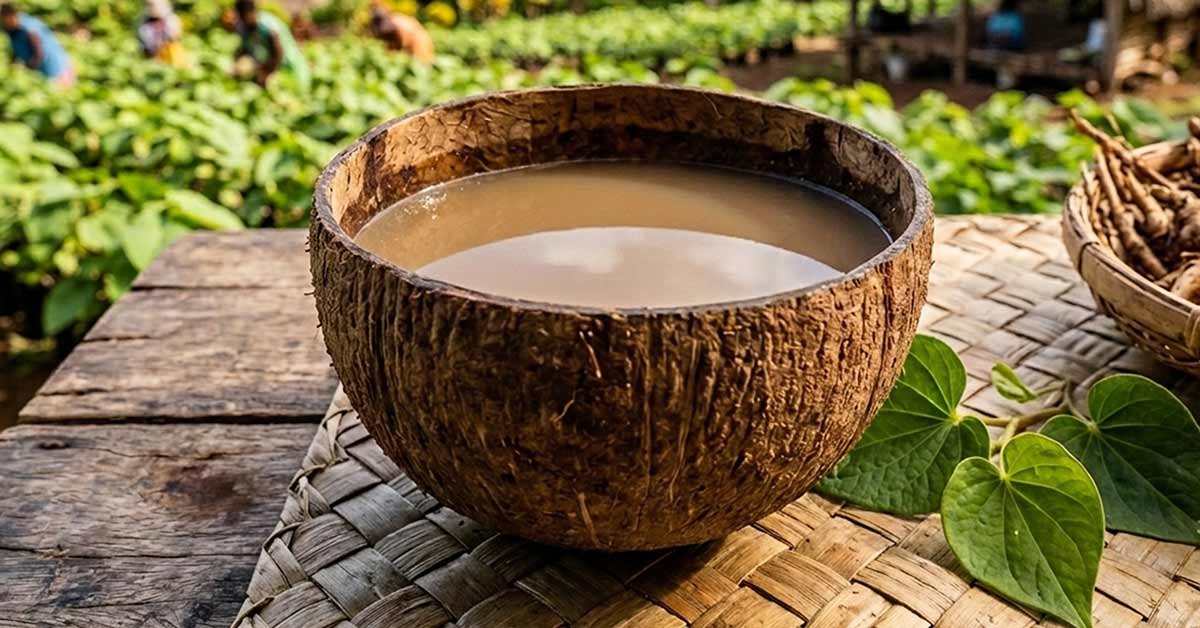
Traditionally, kava root is pounded or grated by hand, mixed with water, and strained, historically through hibiscus bark fibre, and today more often through cloth or a muslin bag, into a communal bowl. In Fiji this bowl is called a tanoa, and the drink is served in a coconut shell cup called a bilo. Modern kava bars often use a simplified version of this process with a shaker and strainer bag.
Read the full guide: How to Prepare Kava: Traditional Method Step by Step.
Kava Today
Outside the Pacific, kava has found a new life as a social, alcohol-free drink. The first dedicated kava bar in the United States opened in Boca Raton, Florida, in 2002, and the idea has grown steadily since, particularly in Florida, as more people look for alcohol alternatives that still offer a social gathering place.
Kava's legal status varies by country and has a complicated regulatory history, including a widely discussed restriction in Germany that was later overturned by German courts. Rules differ by jurisdiction and can change, so if legality matters for your situation, check the specifics rather than assuming. Read more: Is Kava Legal? A Country-by-Country Guide and Is Kava Safe? A Complete Evidence-Based Guide.
Frequently Asked Questions About Kava
Kava is a psychoactive plant, but it isn't classified as an illegal drug in most countries. Its legal status varies by jurisdiction and has changed over time in some places, so check current rules if that matters for you. See our full guide: Is Kava Legal?
No. Kava doesn't produce alcohol-like intoxication. Most people describe a relaxed, sociable feeling along with a mild numbing sensation on the lips and tongue, through a different mechanism than alcohol. See: What Does Kava Feel Like?
Kava has an earthy, slightly bitter, peppery taste, and typically produces a mild numbing sensation on the tongue and lips shortly after drinking.
Quality and cultivar matter. Kava made from noble cultivars and prepared traditionally is generally well tolerated, though people with liver conditions, who are pregnant, or who are taking medications or alcohol should consult a doctor first. See our full guide: Is Kava Safe?
They're often confused, but kava (Piper methysticum) and kratom (Mitragyna speciosa) are different plants from different plant families, native to different parts of the world, with different traditional uses and effects.
Browse our directory of kava bars, shops, and online vendors, or read How to Find a Kava Bar Near You for tips on finding one in your area.