
Types & Quality
Not all kava is the same, and the differences aren't just about taste. Cultivar, plant part, and processing all affect what you're actually drinking.
This hub covers the botanical and practical side of kava: the chemistry behind kavalactones, the noble-versus-tudei distinction that matters for safety, the different forms kava comes in, and how to judge quality before you buy. If you're ready to buy, our Buying & Gifting guides pick up from here.
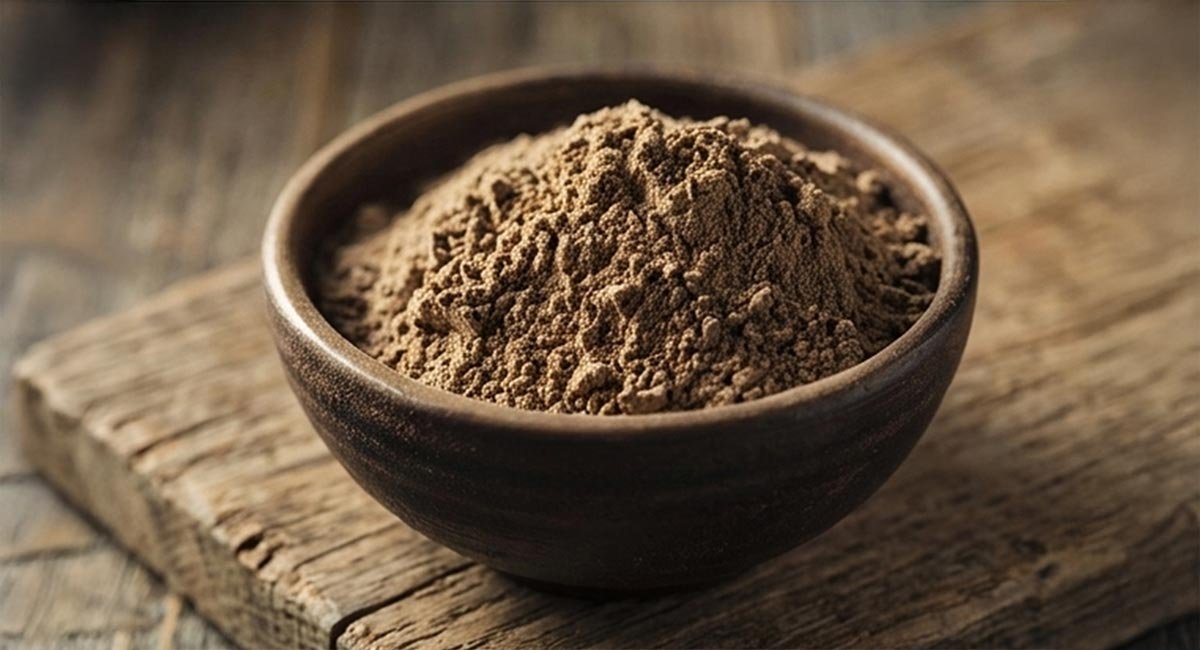
Types of Kava
A complete guide to kava varieties, from noble cultivars to plant forms.
Read Guide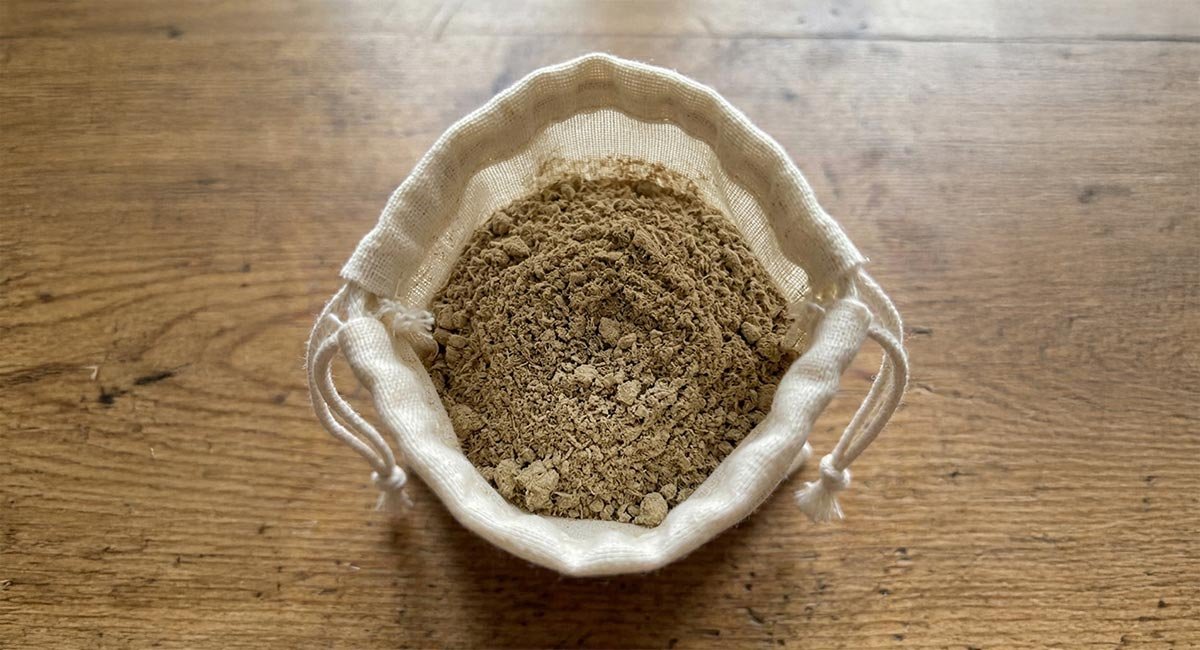
Noble Kava vs Tudei Kava
The difference between these cultivars, and why it matters for safety.
Read Guide
Kava Chemotypes & Kavalactones Explained
The chemistry behind kava's effects, explained in plain language.
Read Guide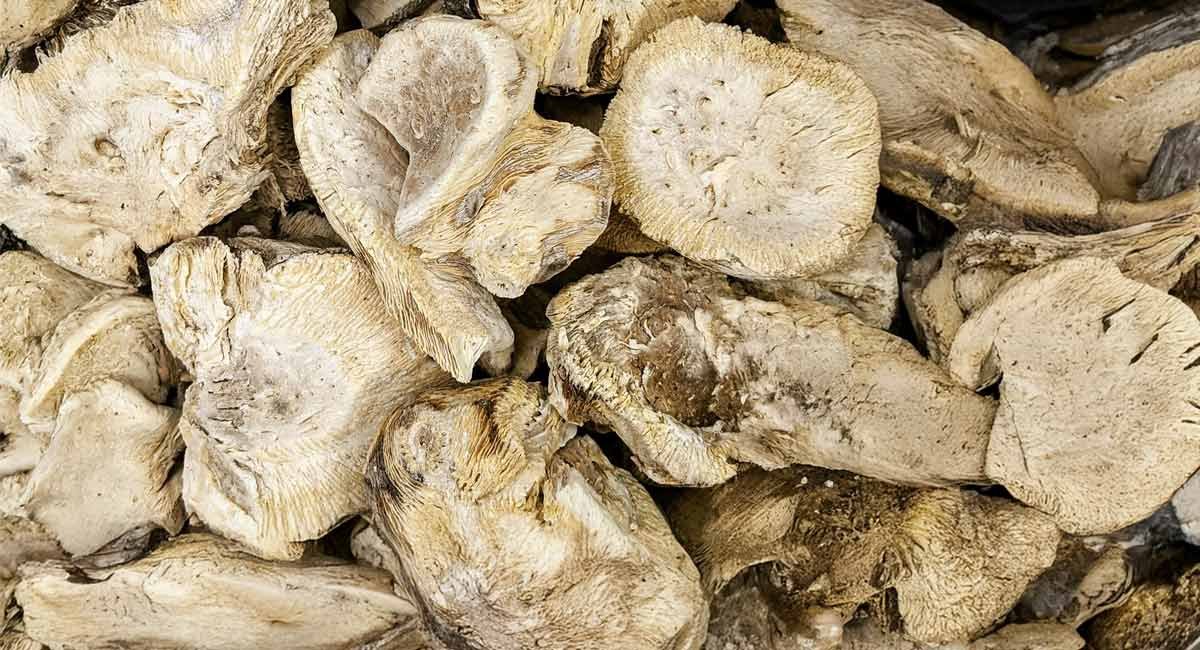
Kava Forms Explained
Traditional root, instant powder, extracts, and capsules compared.
Read Guide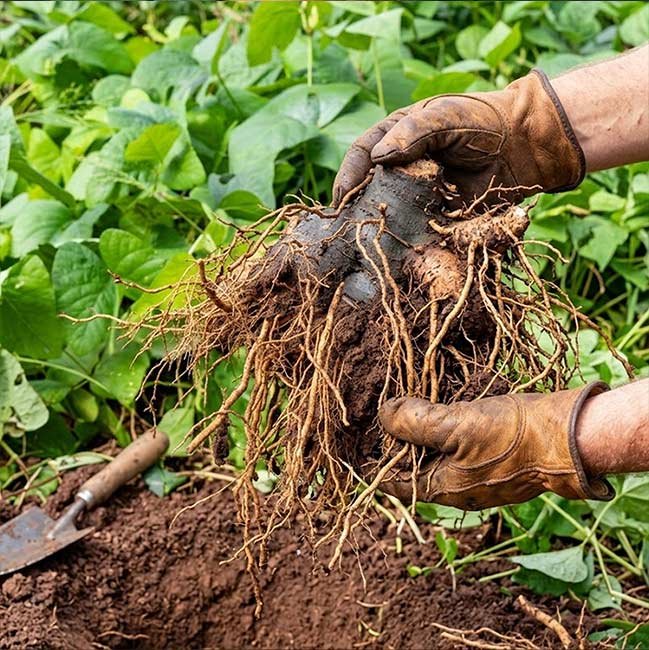
Kava Root vs Kava Leaf and Stem
Why plant part matters, and what should actually be in your cup.
Read Guide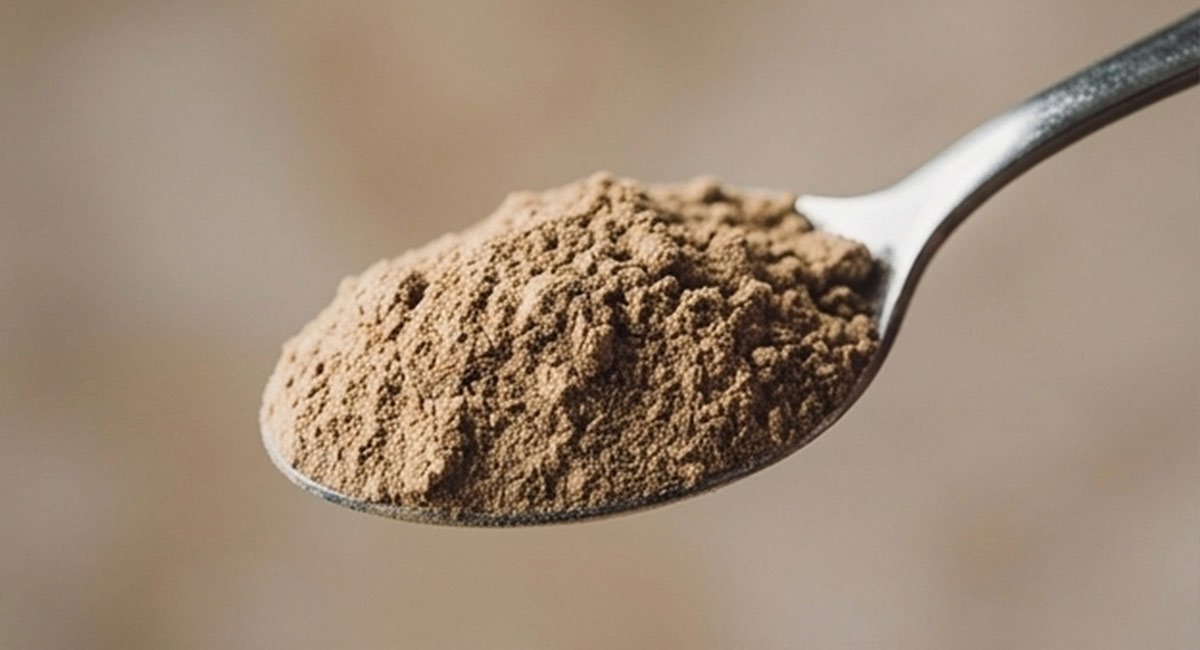
Single-Origin vs Blended Kava
Which should you choose, and does it actually make a difference?
Read Guide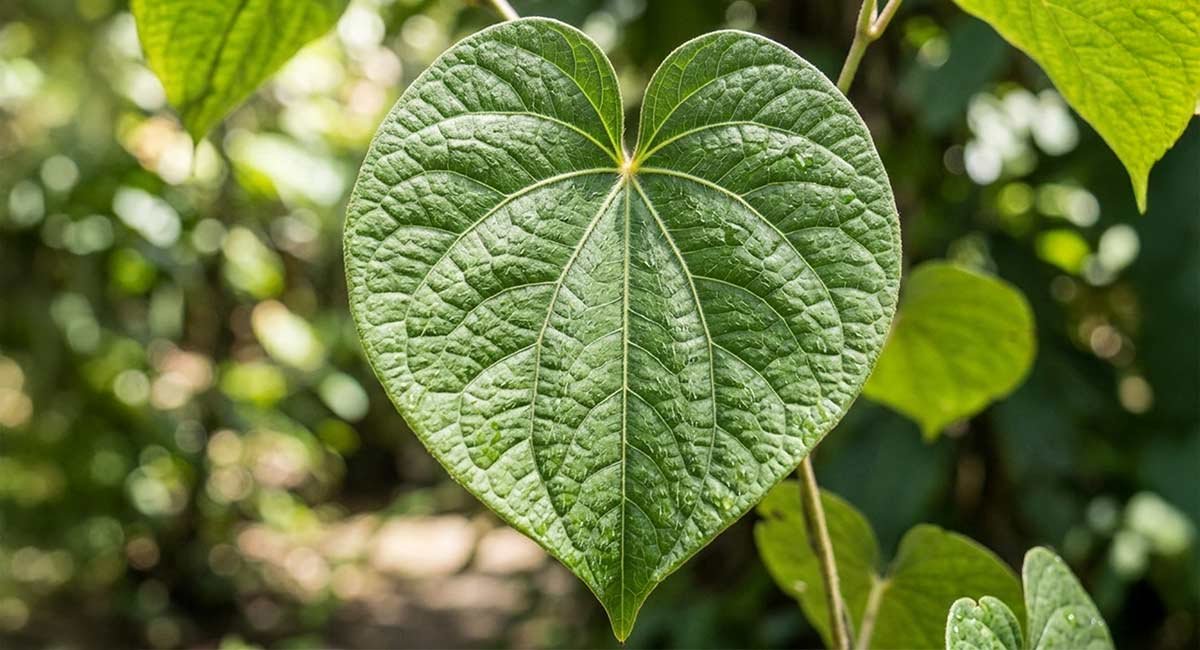
Popular Noble Kava Cultivars
Borogu, Melo Melo, and more: a look at well-known noble varieties.
Read Guide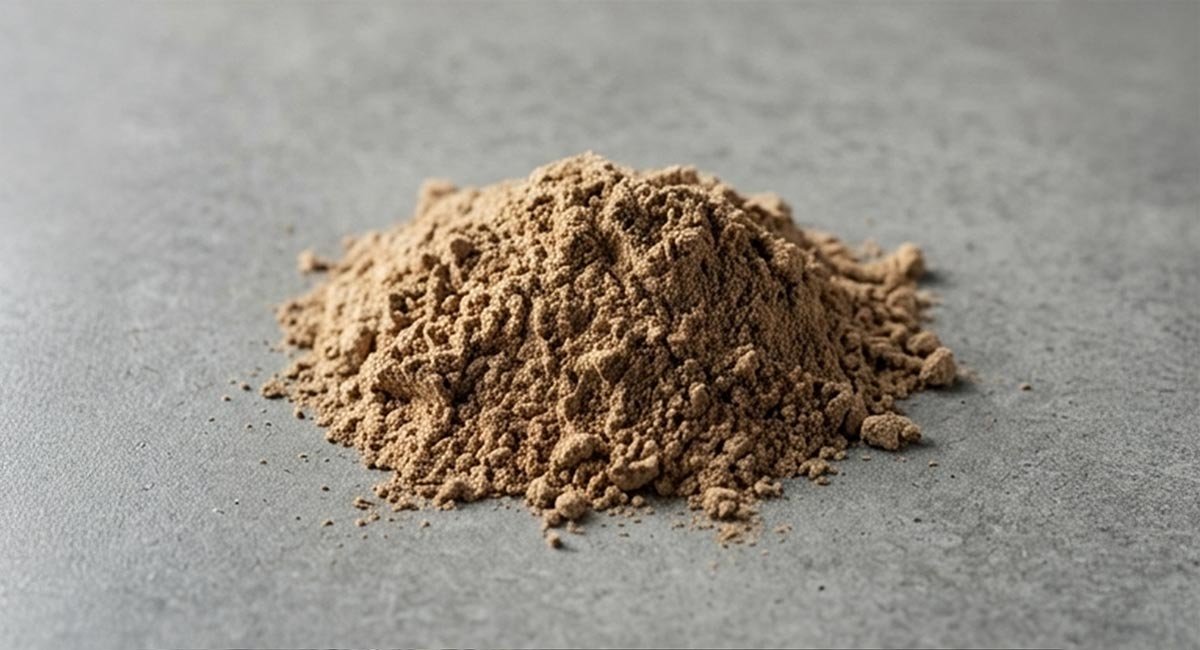
How to Read a Kava Lab Report
Understanding a certificate of analysis before you trust a vendor's claims.
Read Guide
Buy Kava You Can Trust
Browse verified kava shops, online vendors, and suppliers who know their cultivars.
Browse the DirectoryFrequently Asked Questions About Kava Types & Quality
Noble cultivars have traditionally been used for everyday and ceremonial drinking and are generally well tolerated. Tudei cultivars are restricted from export by some Pacific producer countries over quality and safety concerns. See our full guide: Noble Kava vs Tudei Kava.
Kavalactones are the compounds in kava root responsible for its characteristic calming effects. Different cultivars have different kavalactone profiles, or chemotypes. See: Kava Chemotypes & Kavalactones Explained.
It depends on your priorities: traditional root and instant powder are most common for drinking, while capsules and extracts trade some of the ritual for convenience. See: Kava Forms Explained.
Many drinkers report a difference, though it varies by cultivar and preparation. See our full comparison: Single-Origin vs Blended Kava.
Look for a vendor who can confirm the cultivar (noble, not tudei) and, ideally, share lab results. See How to Read a Kava Lab Report and our buyer's guide.