Cultivar: Noble vs Tudei
The single most important distinction in kava is cultivar. Noble kava refers to the varieties Pacific communities have traditionally selected for daily and ceremonial drinking, generally well tolerated. Tudei kava (Bislama for "two-day") refers to cultivars associated with longer-lasting, harsher effects, and some producer nations restrict it from export for this reason. Read the full breakdown: Noble Kava vs Tudei Kava: What's the Difference and Why It Matters.
Chemotype: The Chemistry Behind the Difference
What actually separates noble from tudei cultivars is chemotype, the relative mix of six major kavalactones in the root. Every kava cultivar has its own chemotype, and understanding the basics helps explain why cultivar matters so much for both effect and safety. Read the full guide: Kava Chemotypes and Kavalactones Explained.
Plant Part: Root vs Leaf and Stem
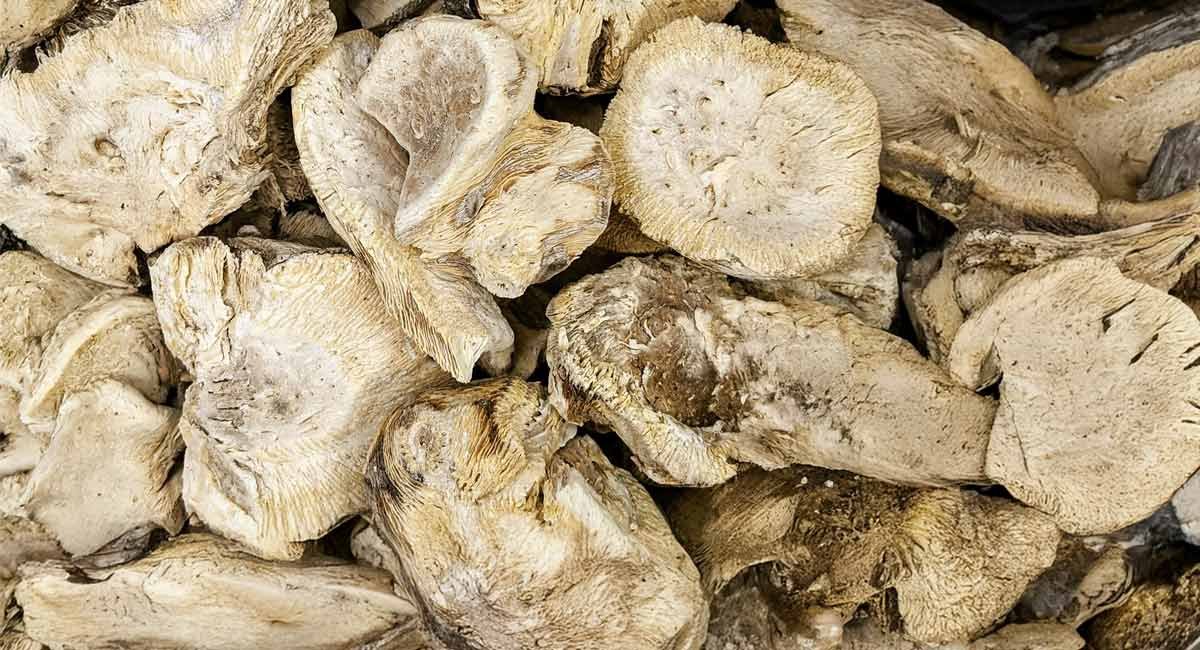
Traditional kava is made exclusively from the root and rootstock. Leaves and stems contain a different, less-studied compound, pipermethystine, that laboratory research has linked to liver cell toxicity at high concentrations, which is part of why sourcing kava made only from root matters. Read the full guide: Kava Root vs Kava Leaf and Stem: Why Plant Part Matters.
Form: Root, Powder, Extract, or Capsule
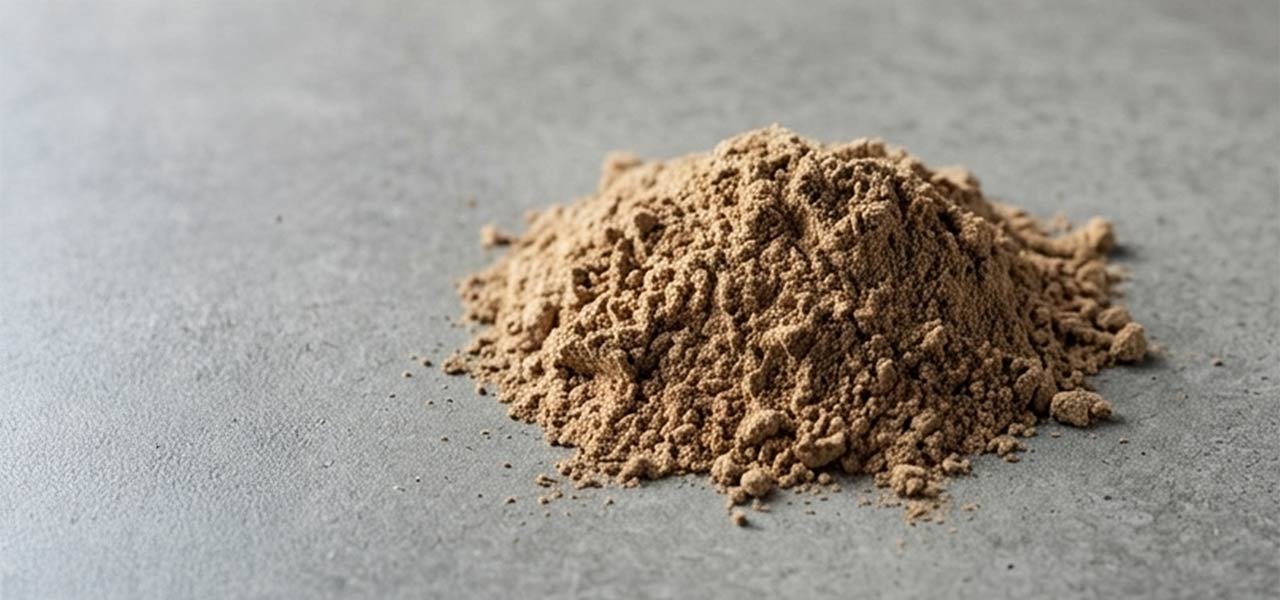
Kava is sold in several forms: traditional pounded root, instant powder (pre-processed for quick preparation), liquid extracts, and capsules. Each trades off some combination of authenticity, convenience, and strength. Read the full guide: Kava Forms Explained.
Single-Origin vs Blended
Some vendors sell single-origin kava, from one cultivar and often one farm or region, while others sell blends of multiple cultivars. Neither is inherently better, but they can produce a noticeably different experience. Read the full guide: Single-Origin vs Blended Kava: Which Should You Choose.
For a look at specific noble varieties by name, see Popular Noble Kava Cultivars: Borogu, Melo Melo, and More.