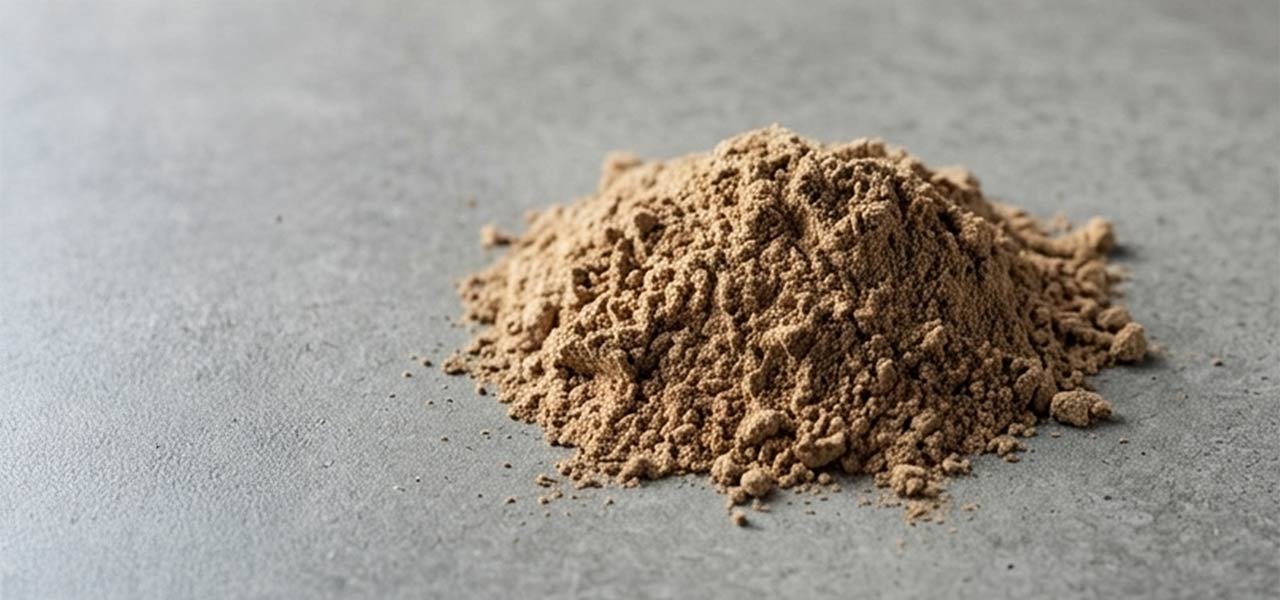
Kava as a Thread Back Home
For Pacific communities that emigrated, especially Tongans, Fijians, and Samoans settling in New Zealand, Australia, and the United States, kava has often functioned as a direct link to a place, and a way of life, left behind. Kava, in Tongan custom, is sometimes described as representing the land of the Kingdom itself, so drinking it together abroad carries weight beyond the social occasion. New Zealand alone is home to an estimated 215,000 Tongans, making it one of the largest Tongan diaspora populations anywhere, and kava culture there has grown into a genuinely significant, if often under-the-radar, community institution.
Adaptation, Not Abandonment
The clearest documented example of this adaptation is the Tongan kalapu, the kava club that evolved specifically to fit diaspora life, more casual than formal ceremony, organised around regular gatherings rather than specific ritual occasions, and often tied to fundraising, church communities, and mutual support. See Kava Clubs (Kalapu) and Modern Social Kava Culture for how this specific institution works. Younger generations in diaspora communities have also folded kava circles into contemporary youth culture, using faikava as a space to process identity and connect with heritage on their own terms, rather than treating tradition and modern life as separate things.
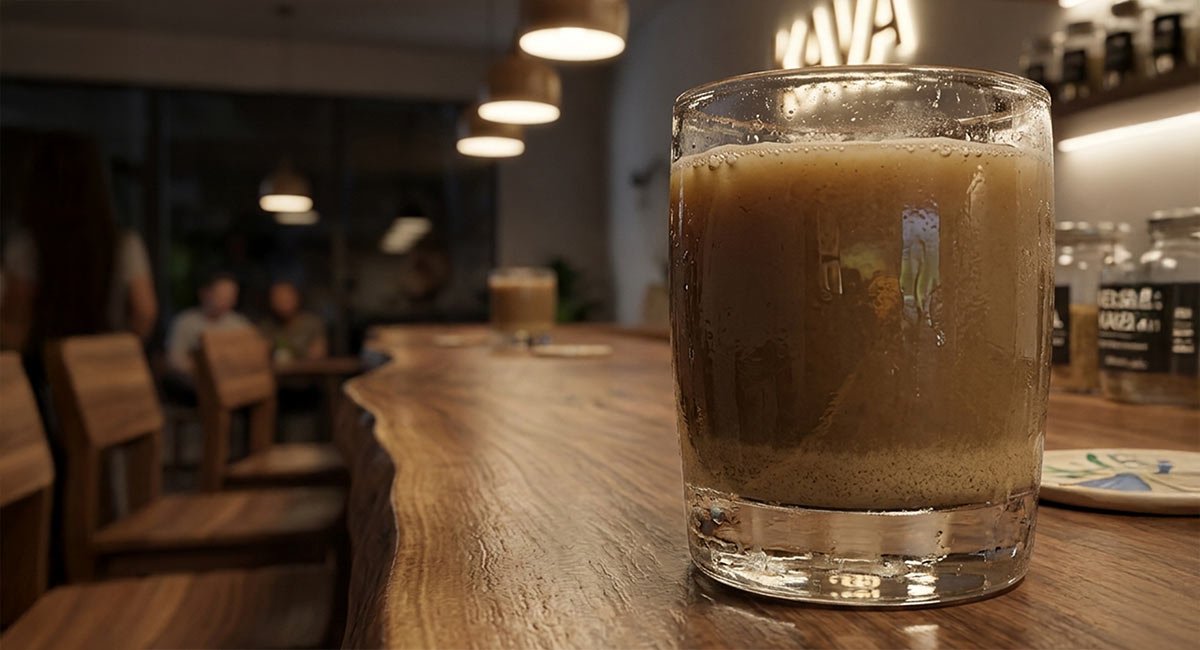
A Separate Thread: The Kava Bar Movement
Running alongside, but distinct from, diaspora tradition is the growth of kava bars among people with no Pacific heritage at all. This movement traces back to 2002, when the first dedicated US kava bar opened in Boca Raton, Florida, and it has grown considerably since, particularly among people looking for alcohol-free social spaces. This isn't the same phenomenon as the kalapu, it's kava culture being encountered and adopted fresh, often with looser ties to the specific etiquette of any one Pacific tradition. Some kava bars borrow language, like saying "Bula" as a toast, from Fijian custom specifically, worth knowing so you understand what you're actually saying. Read more: Kava Bars Around the World.
Two Threads, One Plant
It's worth holding both realities at once: kava is simultaneously a living cultural institution for Pacific diaspora communities, carrying real weight and specific etiquette, and a newer global wellness and social trend among people who may know little about where it comes from. Neither cancels the other out, but conflating them, treating a casual kava bar toast as equivalent to a formal ceremony, or assuming every kava drinker abroad understands the culture behind it, tends to flatten something that's actually quite layered.