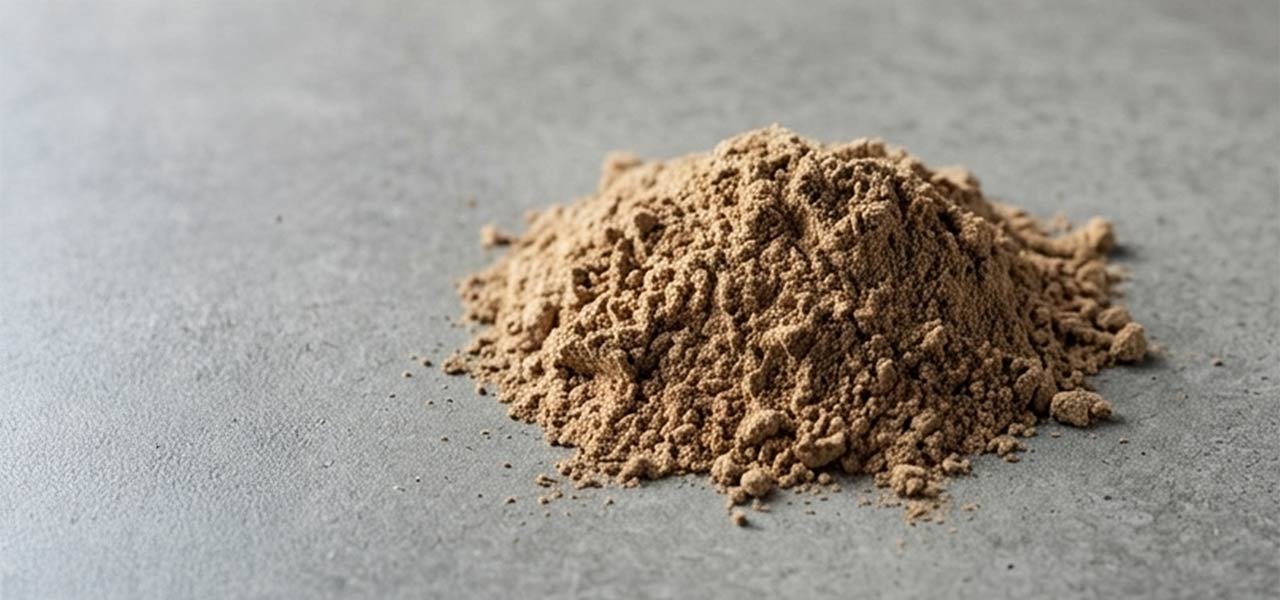
What Is Noble Kava?
Noble kava refers to the Piper methysticum cultivars that Pacific Island communities have selected over generations specifically for daily and ceremonial consumption. These cultivars generally share a chemotype (kavalactone profile) led by kavain or dihydrokavain, are low in a compound called flavokavain B, and tend to produce a cleaner, more predictable effect. Fiji doesn't use the term "noble" formally in its own classification, but all of its recognised commercial varieties fall into this noble chemotype pattern.
What Is Tudei Kava?
Tudei is Bislama (a Vanuatu creole) for "two-day," referring to how long the effects of these cultivars can linger. Tudei kava tends to have a chemotype led by dihydromethysticin rather than kavain, and typically contains meaningfully higher levels of flavokavain B, a chalcone compound that's toxic to liver cells at sufficient concentration. Some studies have found tudei kava can contain up to around 20 times more flavokavain B than noble kava. Effects associated with tudei include nausea, lethargy, and a hangover that can last into the following day, which is where the name comes from.
Historically, some Pacific communities did use tudei-type kava, but typically for occasional medicinal or specific ceremonial purposes rather than everyday drinking, unlike noble kava.
Why This Distinction Matters
This isn't a purely academic distinction. The 2002 European liver-toxicity concerns that led to kava being pulled from some markets have been linked, at least in significant part, to products made with non-noble plant material, non-root plant parts, and solvent-based extraction, rather than to properly sourced noble root kava prepared traditionally. Vanuatu's Kava Act formalises this by law: only noble cultivars may be legally exported, unless a specific foreign buyer requests otherwise, and tudei kava is banned from Vanuatu's own domestic market. See Kava and Liver Health for more on the safety evidence overall.
Can You Tell Them Apart by Looking?
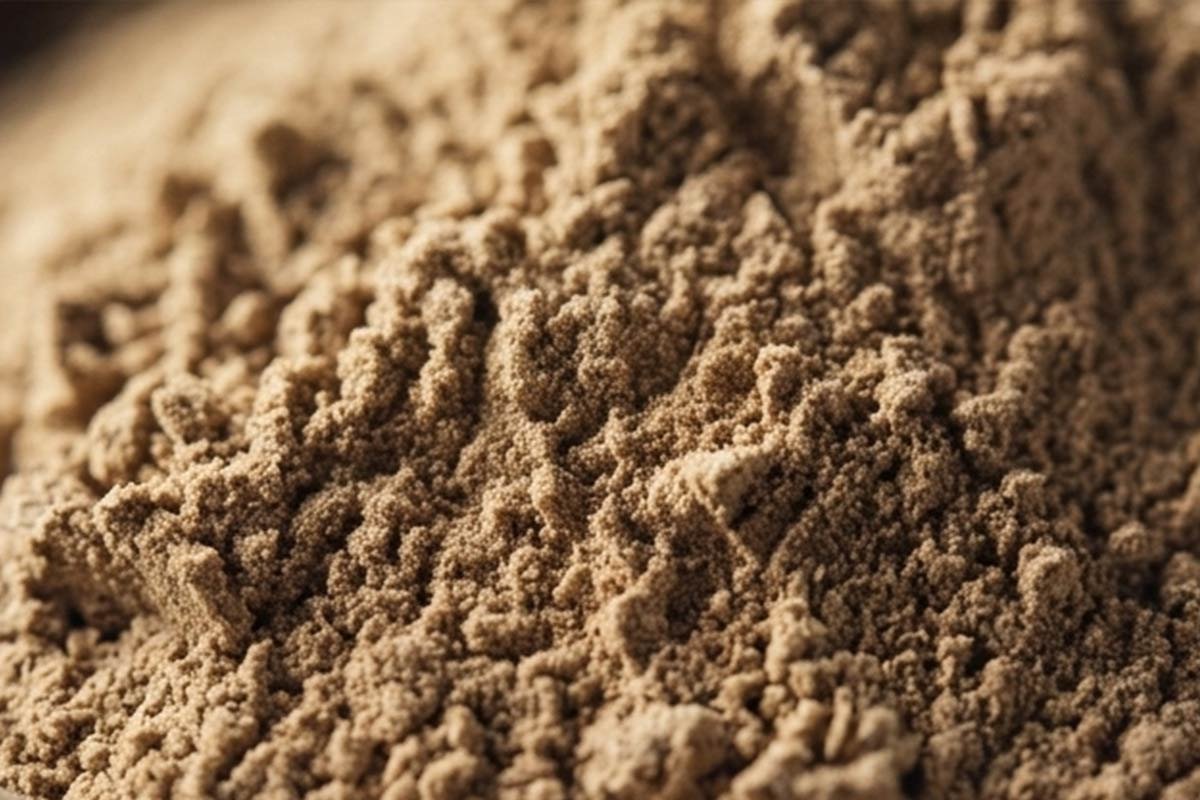
No. Once kava root is dried and ground into powder, noble and tudei cultivars are visually indistinguishable from one another. The only reliable way to tell them apart is lab analysis, typically HPLC testing for chemotype and flavokavain B/kavalactone ratios. Some vendors also use a rougher acetone colour test as an informal screen, though lab testing is the more definitive method.
How to Make Sure You're Getting Noble Kava
Buy from a vendor who can name the specific cultivar and, ideally, share lab documentation confirming it's noble. Reputable sellers of noble kava are usually happy to provide this information, since it's a selling point rather than something to hide. See our full guides: How to Read a Kava Lab Report or Certificate of Analysis and How to Choose Quality Kava: A Buyer's Guide.