Why Only the Root?
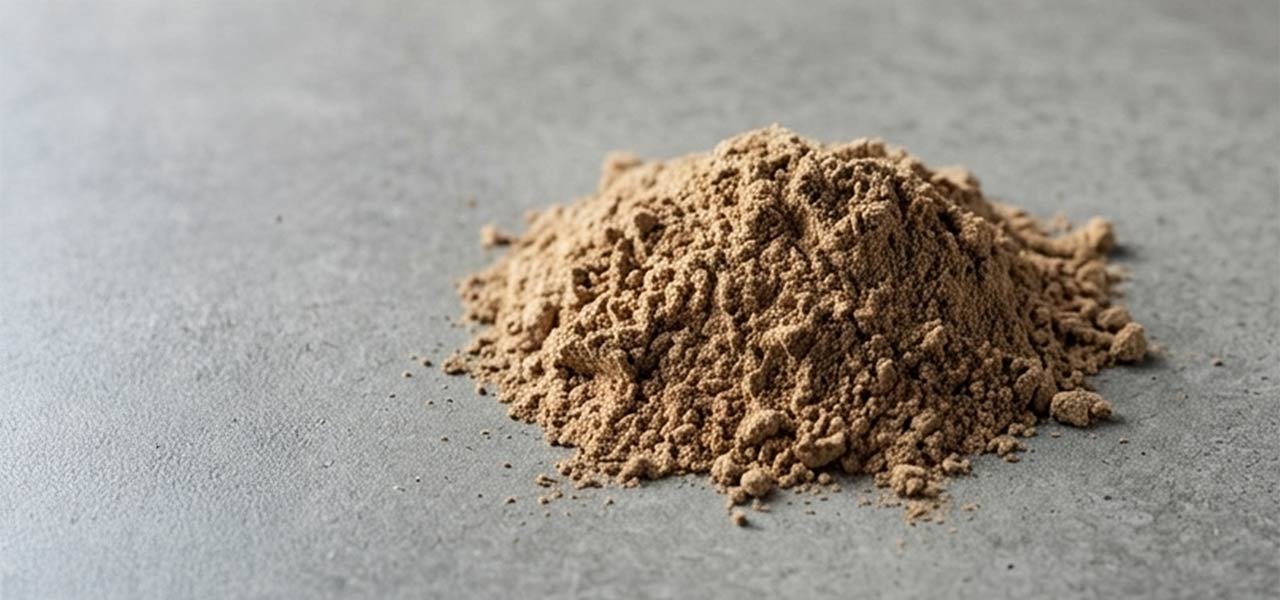
Across every Pacific culture that drinks kava, tradition has always used the root and rootstock (the basal stump), not the leaves or stems. This isn't just custom for its own sake, the highest concentration of kavalactones, the compounds responsible for kava's effects, is found in the root. Read more about these compounds: Kava Chemotypes and Kavalactones Explained.
What's in the Leaves and Stems Instead
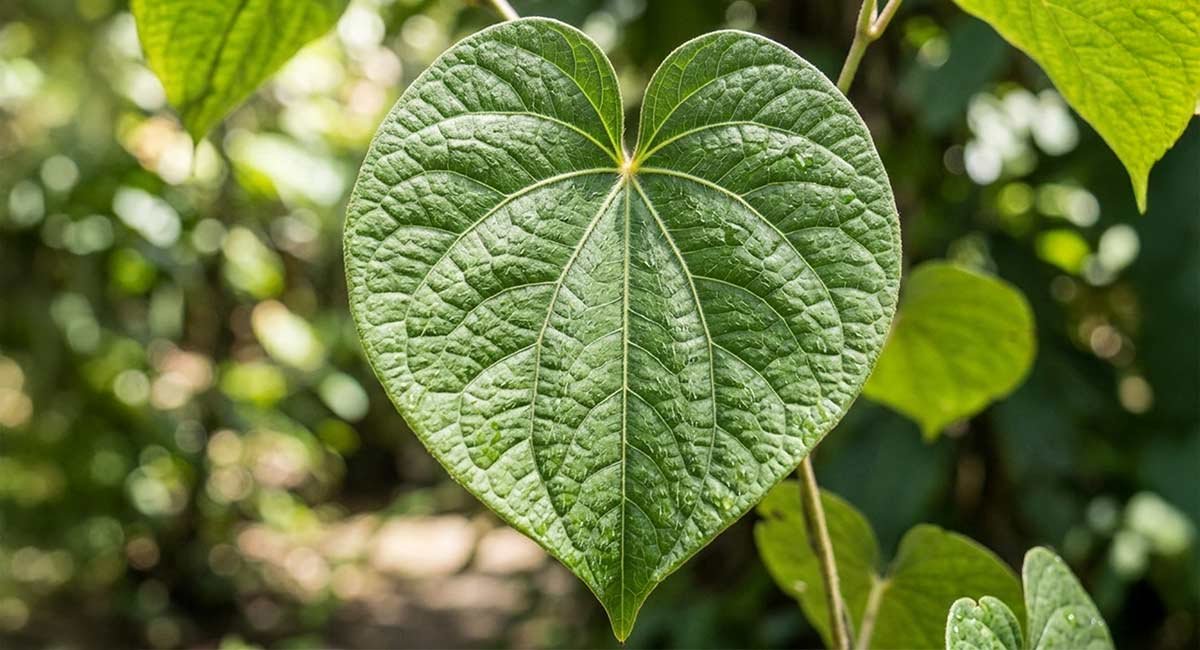
Kava leaves and stems (sometimes called "aerial parts") contain a different compound called pipermethystine, which isn't found in meaningful amounts in the root. Laboratory research exposing human liver cells to pipermethystine found significant toxicity at higher concentrations, including a large loss of cell viability within 24 hours in one study, while comparable concentrations of root-derived kavalactones caused no measurable cell death over a much longer period. This is a genuine, biologically plausible reason to avoid non-root plant material.
That said, the picture isn't fully settled: a separate analysis of commercial kava products actually sold on the German market, the same market associated with early-2000s liver injury cases, found pipermethystine either absent or below detectable levels in the products that had been linked to those cases. That doesn't rule out plant part as a factor, other implicated products may have used aerial parts, but it does mean pipermethystine likely isn't the single, complete explanation for every historical case. The honest summary is that root-only sourcing is a genuine, evidence-supported safety variable, one of several, not the sole cause of a settled mystery.
Plant Part Is Separate From Cultivar
Root-versus-leaf/stem is a different sourcing question from noble-versus-tudei cultivar, and both matter independently. A noble cultivar made from the wrong plant part, or a root-only product made from a tudei cultivar, can each carry their own separate risk. See Noble Kava vs Tudei Kava for the cultivar side of this.
How to Check What You're Buying
Look for vendors who explicitly state their product is made from root and rootstock only, no leaf, stem, or other aerial parts. This is a standard sourcing claim among reputable sellers and one worth asking about directly if it isn't stated on the packaging. See How to Choose Quality Kava: A Buyer's Guide.