
Types & Quality

How to Read a Kava Lab Report or Certificate of Analysis

6 min read

A cultivar name tells you what a vendor claims. A lab report, often called a certificate of analysis or COA, tells you what's actually been measured. Here's how to read one.

You don't need a lab background, just an understanding of a handful of numbers that show up on most reports.

Quick Takeaways
A COA is lab testing documentation for a specific product batch Chemotype and total kavalactone content are the two numbers to check first A per-batch COA is a stronger signal than a generic marketing claim HPLC is the standard testing method used to generate these reports

What a Certificate of Analysis Actually Is

A certificate of analysis (COA) is a lab's written record of what it actually measured in a specific batch of kava, as opposed to what a label or marketing page claims. Reputable kava brands increasingly publish a COA per product, or even per batch, generated using HPLC (high-performance liquid chromatography), the standard method for measuring kavalactone content precisely.

Chemotype

The chemotype is usually shown as a sequence of numbers representing the six major kavalactones, ranked from most to least abundant in that specific batch. This is the number that tells you whether you're actually looking at a noble-pattern or tudei-pattern profile. See our full guide: Kava Chemotypes and Kavalactones Explained.
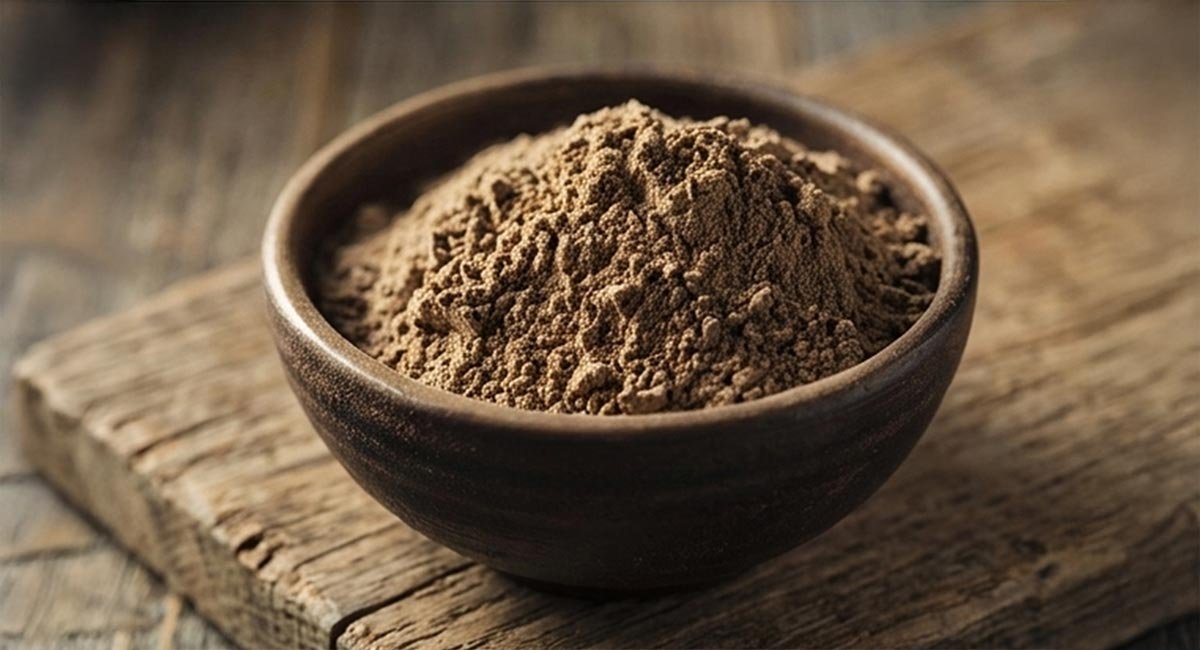
Coarse traditional-grind kava powder in a bowl on a wooden table
Buying & Gifting

Put This Into Practice

A full buyer's guide to choosing quality kava, beyond just reading the lab sheet.

Read the Full Guide

Total Kavalactone Content

Most COAs also show total kavalactone content, sometimes as a percentage of the product's weight, sometimes as a milligram amount per serving. This number tells you roughly how strong the product is, independent of chemotype. A product can be noble-chemotype but still weak if total kavalactone content is low, so this figure matters alongside, not instead of, chemotype.

Other Details Worth Checking

Beyond chemotype and kavalactone content, a thorough COA may also note the testing lab's name (useful for verifying it's a real, independent lab rather than an in-house claim), the batch or harvest date, and sometimes basic contaminant or microbial testing. Not every vendor provides all of this, but the more a report actually shows, the more confidence you can have in the claim behind it.

A Red Flag Worth Knowing

If a vendor only advertises an "extract weight" or vague strength claim without any accompanying lab documentation, treat that as a signal to ask more questions rather than take the claim at face value. A specific, verifiable number from an identified lab is a meaningfully stronger signal than a marketing description alone.
Kava powder made from ground kava root
Directory

Find a Kava Bar, Shop, or Vendor Near You

Browse verified kava bars, shops, and vendors, or connect directly with farms and suppliers at the source.

Browse the Directory
Common Questions

Frequently Asked Questions About Kava Lab Reports

A COA is a lab's written record of what was actually measured in a specific kava product batch, including chemotype and kavalactone content.

HPLC (high-performance liquid chromatography) is the standard method for precisely measuring kavalactone content and chemotype.

Chemotype tells you the profile, whether it's a noble or tudei pattern. Total kavalactone content tells you roughly how strong the product is. Both matter together. See Kava Chemotypes and Kavalactones Explained.

No, and that itself is worth noting. Vendors that don't provide any lab documentation are harder to verify than ones that do.

It's a strong signal, not an absolute guarantee. It shows what was actually measured, which is meaningfully better than an unverified marketing claim, but always consider it alongside overall vendor reputation.