What Reverse Tolerance Means
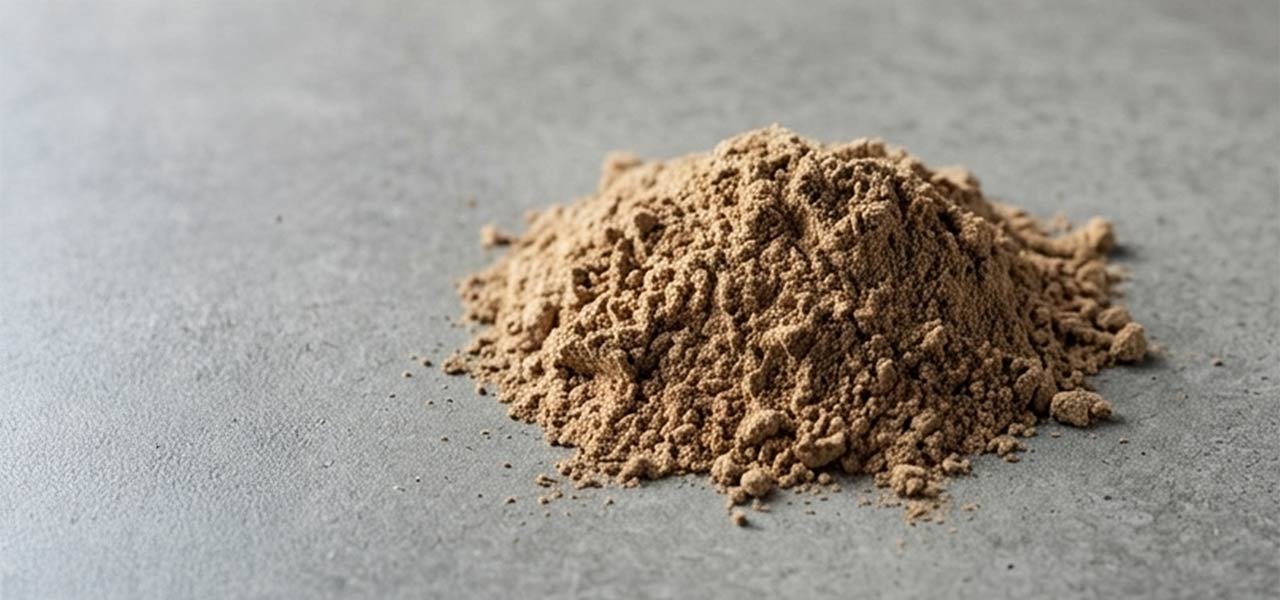
With most psychoactive substances, alcohol and caffeine included, regular use leads to needing more of the substance to get the same effect, a pattern called tolerance. Kava is widely reported to work in the opposite direction for many drinkers, at least initially: the first session or two produces little noticeable effect, and the same or even a smaller amount starts to feel more effective after several sessions. This pattern is commonly called reverse tolerance.
What's Actually Known About Why This Happens
The proposed explanation is that the body needs time to adapt to kavalactones, possibly involving changes in how efficiently the body processes these compounds, or changes in receptor sensitivity in systems like GABA-A receptors, which kavalactones are believed to interact with. That said, it's worth being precise about the evidence here: peer-reviewed pharmacology research has found kavalactones like kavain appear to modulate GABA-A receptors, but even that direct interaction "has not been conclusively established" in the scientific literature, and the reverse tolerance pattern itself is documented mostly through drinker reports rather than controlled clinical studies. Treat mechanism explanations you see elsewhere, including detailed claims about neuroplasticity or specific receptor changes, as plausible working theories rather than settled fact.
Not Everyone Experiences This the Same Way
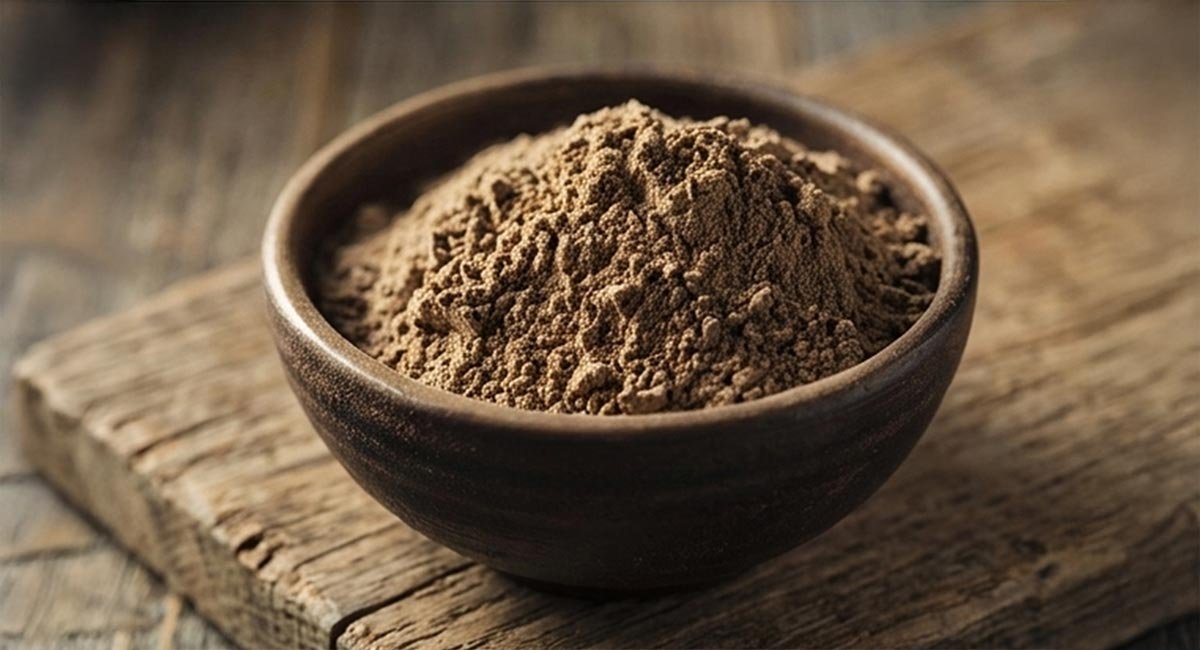
Reverse tolerance isn't universal, some people notice a clear effect from their very first serving, while others report needing several sessions before it becomes obvious. If your first cup does little, that's a common pattern rather than a sign kava "doesn't work" for you or that you're doing something wrong.
Kava and Addiction
Kava is generally reported by researchers and long-term drinkers as not being physically addictive, with no significant withdrawal symptoms reported when people who drink regularly stop. This is a different pattern entirely from tolerance-building substances, since kava doesn't appear to require escalating doses to keep working. This isn't medical advice, and if you have concerns about your own use, talk to a doctor.