General and Botanical Terms
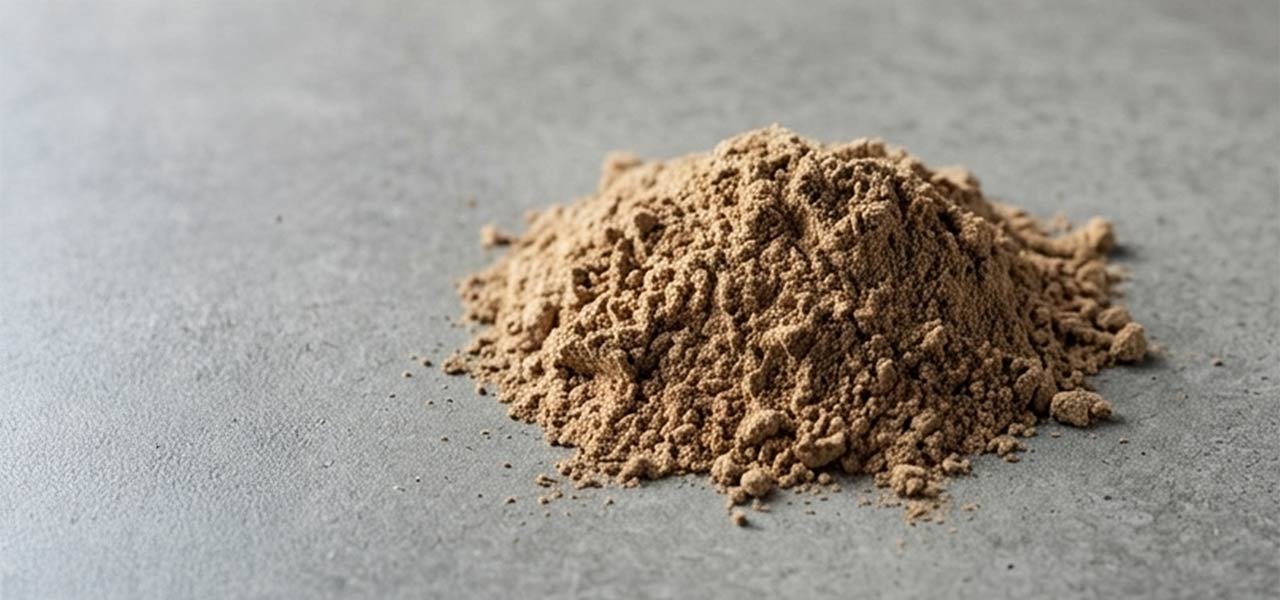
Kava — the common English name for Piper methysticum, and also the Vanuatu name for the plant and drink.
Kavalactones — the compounds in kava root responsible for its calming effects. See Kava Chemotypes & Kavalactones Explained.
Noble kava / tudei kava — the two broad cultivar categories that determine tolerability. See Noble Kava vs Tudei Kava.
Fijian Terms
Yaqona — the Fijian name for kava, both plant and drink.
Sevusevu — the formal presentation of kava root to a village chief, requesting welcome.
Tanoa — the large wooden bowl kava is mixed and served from.
Bilo — the cup, traditionally made from half a coconut shell.
Tu yaqona — the cup-bearer who serves kava to guests and villagers.
Cobo — the single clap made before receiving a bilo.
Bula — literally "life," said when receiving kava, functioning as a toast.
Vinaka — "thank you."
High tide / low tide — a full cup versus a half cup. See The Fijian Kava Ceremony for the full picture.
Vanuatu Terms
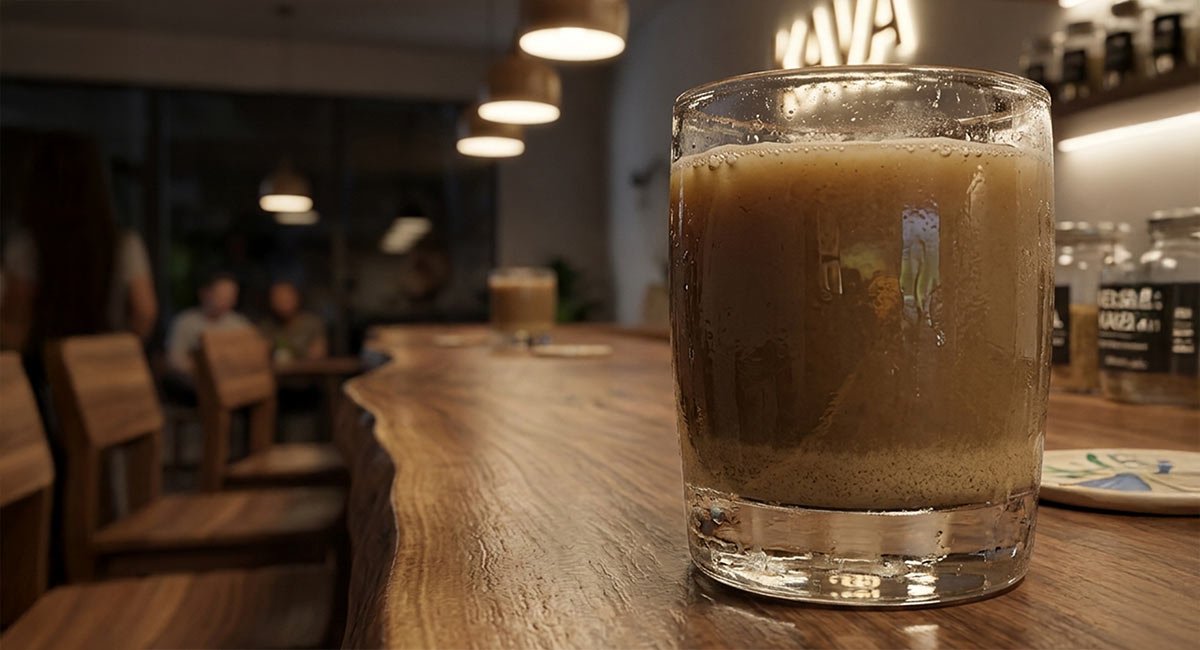
Nakamal — the communal space that functions as kava bar, meeting house, and social hub combined. See The Vanuatu Kava Ceremony & Nakamal Culture.
Shell — the common term for a single serving of kava in Vanuatu, whether from an actual shell or another cup.
Tongan Terms
Faikava — literally "to do kava," the everyday, informal kava circle.
Taumafa Kava — the highly formal royal kava ceremony held for the installation of a king.
'Ilo kava — a kava ceremony for nobles or chiefs, below the level of the Taumafa Kava.
Kumete — the large wooden bowl used to mix kava.
Ipu — the coconut shell cup used for serving.
Tou'a — the person, traditionally a young unmarried woman, who prepares and serves kava.
Kalapu — a kava club, a regular gathering place for faikava. See Kava Clubs (Kalapu) and Modern Social Kava Culture.
Tā / Fakamamafa — the single clap before drinking, and the three claps after, respectively.
Samoan Terms
'Ava — the Samoan word for kava, both plant and drink.
Matai — a titled chief in the Samoan social system.
Taupou — traditionally the unmarried daughter of a high chief, who prepares and serves the 'ava.
Tulafale — a talking chief who manages the ceremony's distribution with formal calls and responses.
Fono — a chiefly council meeting.
Saofa'i — the ceremony bestowing a matai title.
Hawaiian Terms
'Awa — the Hawaiian word for kava, meaning "bitter."
Ali'i — Hawaiian chiefs, who traditionally drank awa for pleasure and status.
Kahuna — the priest class, who used awa ceremonially.
Lā'au lapa'au — traditional Hawaiian herbal medicine, of which awa was a central part. See Kava in Hawaii: Awa History & Culture.