What the Ceremony Marks
The 'ava ceremony opens nearly every important occasion in Samoan life: the fono (chiefly council meeting), the saofa'i (bestowal of a matai title), weddings, funerals, and the welcoming of guests. It's typically led by the high chief of the hosting village or family, with participants seated cross-legged in a circle or semicircle, often in an open fale (a traditional thatched, post-and-beam house with no walls).
The Taupou's Role
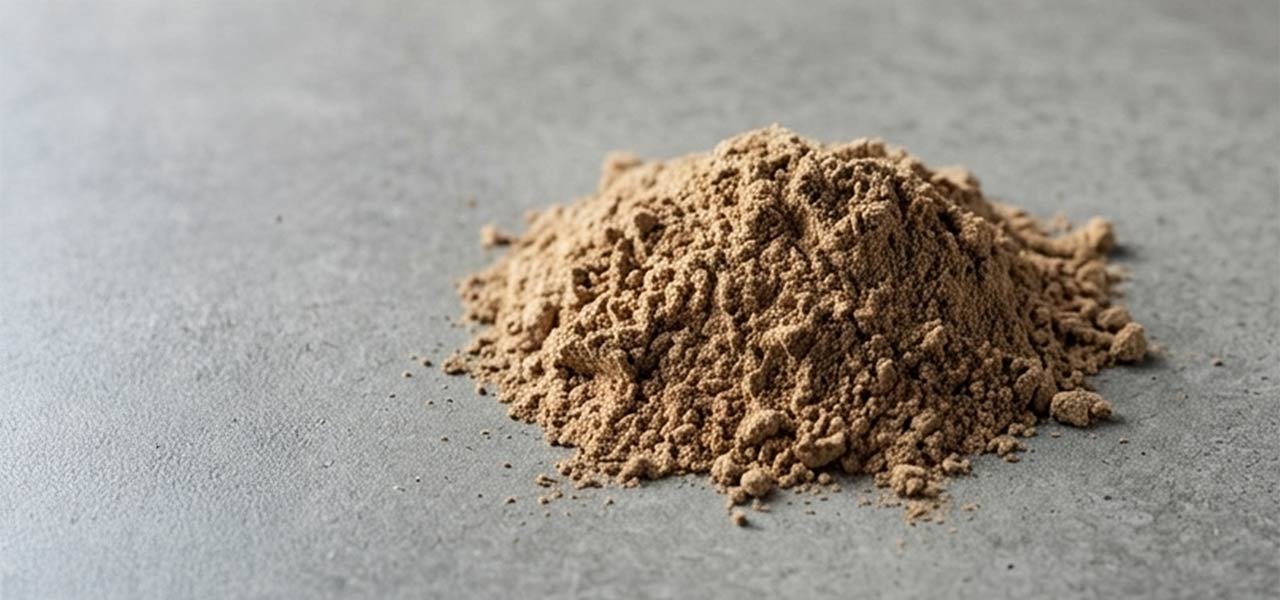
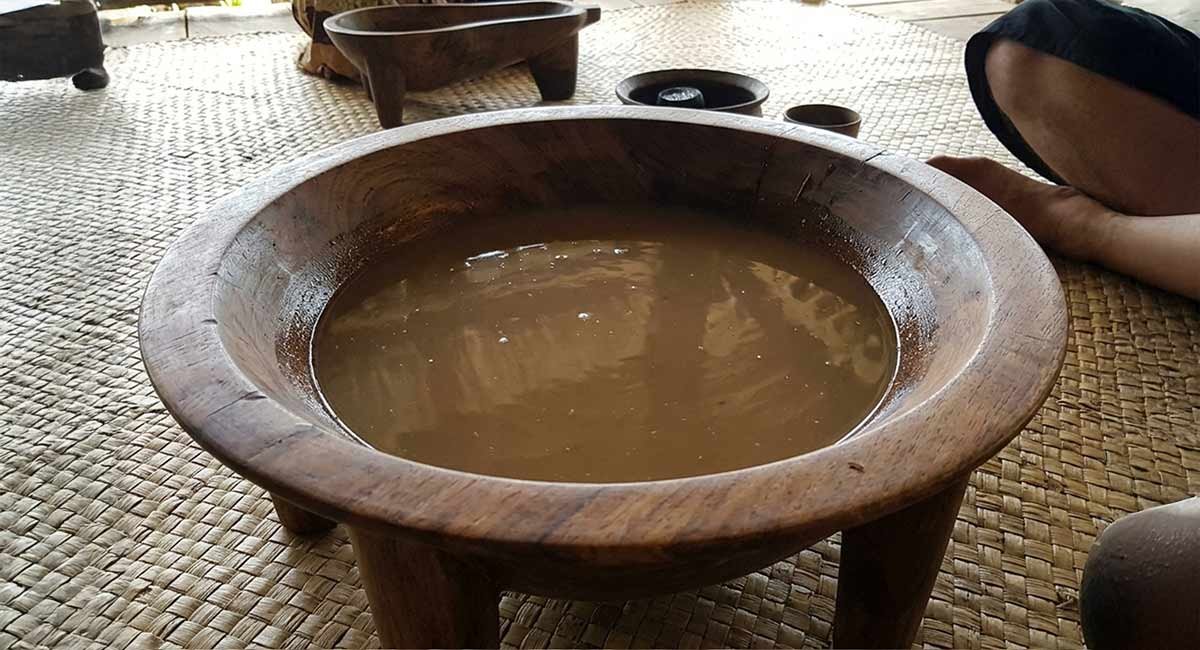
Traditionally, the 'ava is prepared by the taupou, the ceremonial hostess, usually the unmarried daughter of the highest-ranking chief present, though the practice varies today and preparation duties are sometimes shared more broadly. The 'ava is pounded from dried root, mixed with water in a carved wooden bowl called a tanoa, and strained before serving. A tulafale, or talking chief, manages the distribution with formal calls and responses, announcing who receives each cup.
Serving Order Is the Whole Point
Who receives the first cup, who receives the second, who serves and who is served, every detail maps the social relationships of everyone present. Being served out of the proper order is considered a genuine insult, while being served at all is a form of recognition of your place in the community. This precision is exactly why the ceremony is described as a map of the vā, the relational space between people, rather than simply a drink being passed around.
If you're a guest, dress conservatively (covered shoulders and knees), sit cross-legged, and avoid pointing the soles of your feet at anyone, considered quite rude in Samoan settings. Follow your host's lead rather than assuming Fijian or Tongan etiquette applies here.
Church and Custom, Side by Side
Missionaries arrived in Samoa in the 1830s, and unlike the more adversarial history in some other parts of the Pacific, Christianity and 'ava custom largely settled into coexistence rather than conflict. Today, most Samoans see no contradiction between Sunday worship and the 'ava ceremony, lotu (church) and aganu'u (custom) sit alongside each other rather than competing.