
Types & Quality

Popular Noble Kava Cultivars: Borogu, Melo Melo, and More

6 min read

Vanuatu alone has more than 80 documented kava varieties, many unique to a single island. Here are some of the noble cultivars you're most likely to actually see by name.

Effects described below are commonly reported by drinkers rather than precise, lab-measured properties, so treat them as a starting point, not a guarantee.

Quick Takeaways
Vanuatu alone has over 80 documented kava cultivars Borogu and Melo Melo are two of the best-known, widely considered good starting points Fiji's best-known exports include Loa Waka and Lewena Cultivar name alone doesn't guarantee noble status, ask for lab confirmation too

Well-Known Vanuatu Cultivars

Borogu is one of the most widely available Vanuatu noble cultivars, commonly described as balanced with relaxing effects that come on relatively quickly. Melo Melo (also written Melomelo) is another well-known, smooth, relaxing cultivar frequently recommended as a starting point for newer drinkers. Palarasul is often described as mellow and euphoric with less sedation than some other cultivars. Kelai is another established Vanuatu noble variety that shows up regularly among vendors selling single-origin Vanuatu kava.

Well-Known Fijian Cultivars

Fiji has around 13 recognized kava varieties, and its best-known exports include Loa Waka and Lewena, both frequently sold internationally as Fijian noble kava. Fijian kava is commonly described as smoother and less bitter than some Vanuatu cultivars, though descriptions like this are subjective and vary by drinker.

Kava farm and plantation in Vanuatu
Origins & Regions

See Where These Cultivars Come From

Vanuatu's role as kava's likely birthplace, and its dozens of island-specific varieties.

Read the Full Guide

Hawaii and Tonga

Hawaii has its own set of traditional awa cultivars, including Mahakea, and most Hawaiian cultivars are noble, similar to Fiji's situation. Tonga's cultivars are also generally noble across the board and are often described as more uplifting and suited to daytime drinking compared to some heavier Vanuatu varieties, though again, this is a commonly reported impression rather than a lab-measured fact.

A Cultivar Name Isn't a Guarantee

Knowing a cultivar name helps you have an informed conversation with a vendor, but it isn't a substitute for verification. Cultivar names aren't legally protected or standardized worldwide, and mislabeling happens. The safest approach is to combine cultivar name with actual lab documentation. See How to Read a Kava Lab Report or Certificate of Analysis.
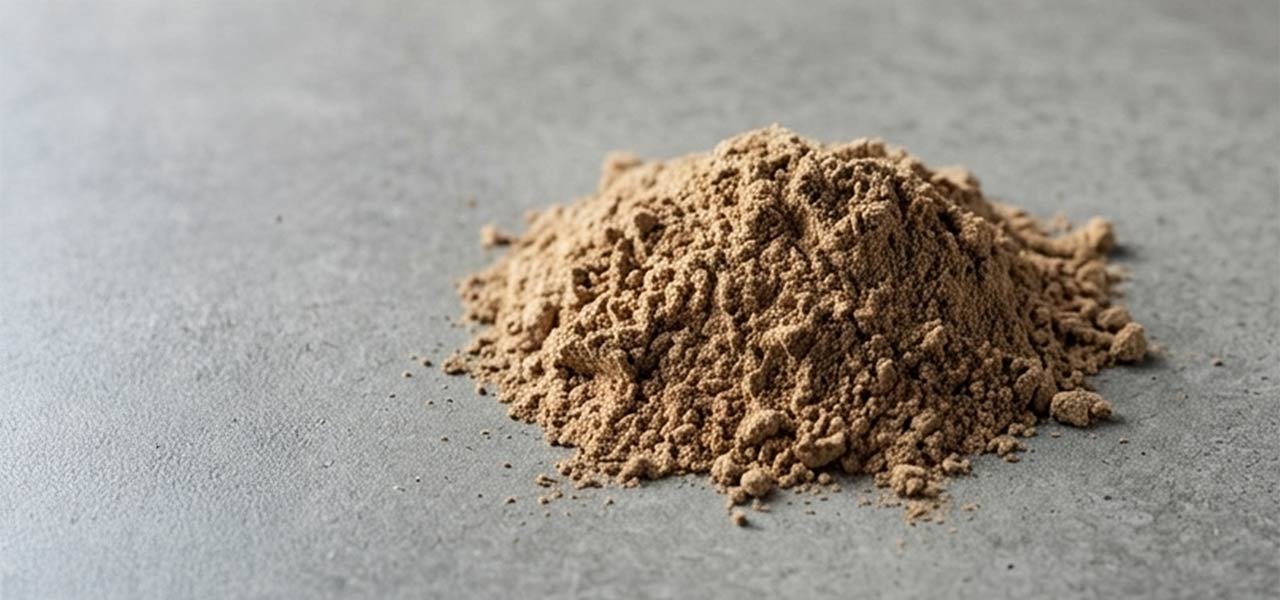
Kava powder made from ground kava root
Directory

Find a Kava Bar, Shop, or Vendor Near You

Browse verified kava bars, shops, and vendors, or connect directly with farms and suppliers at the source.

Browse the Directory
Common Questions

Frequently Asked Questions About Noble Kava Cultivars

Borogu and Melo Melo are two Vanuatu cultivars commonly recommended as approachable starting points, generally described as balanced and relaxing.

Vanuatu alone has more than 80 documented varieties, and Fiji has around 13 recognized cultivars, with additional varieties grown in Tonga and Hawaii.

Yes, they're generally described differently by drinkers, Fijian kava is often described as smoother, though this is a subjective impression rather than a precise measurement.

Not on its own. Cultivar names aren't standardized or legally protected worldwide, so it's worth confirming with lab documentation too. See How to Read a Kava Lab Report.

Most traditional Hawaiian cultivars, like Mahakea, are noble, though some imported non-native tudei varieties are also grown on the islands, so cultivar name still matters there too.