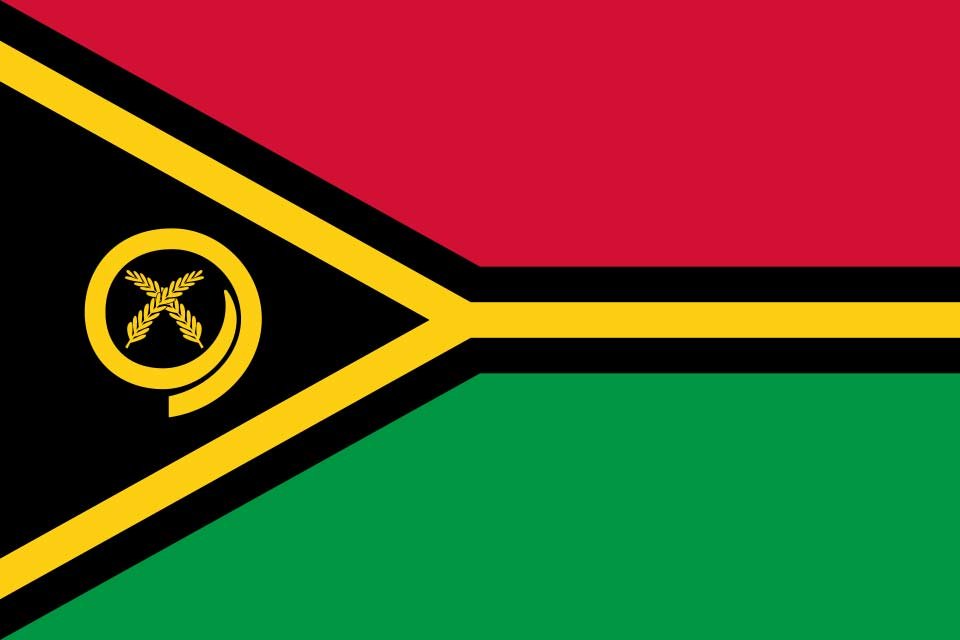
Kava's Likely Birthplace
Most evidence points to northern Vanuatu as the place kava was first domesticated, roughly 2,500 to 3,000 years ago, from the wild ancestor plant Piper wichmannii. This deep history is part of why Vanuatu has by far the greatest genetic diversity of any kava-growing region. Read more: The History and Origins of Kava and The Vanuatu Kava Ceremony and Nakamal Culture.
Unmatched Varietal Diversity
Vanuatu is home to more than 80 documented kava varieties, many of them unique to a single island. Well-known cultivars exported internationally include Borogu, Melo Melo, Palarasul, and Kelai. Read more: Popular Noble Kava Cultivars.

Vanuatu's Kava Economy
Kava has become one of Vanuatu's single most important export commodities, in some recent years accounting for close to half of the country's total exports by value, having overtaken longstanding cash crops like copra and cocoa. Vanuatu's government has pursued a National Kava Strategy aimed at positioning the country as the world's leading producer of quality kava, including nationwide replanting programmes. Kiribati, the United States, and China are among Vanuatu's key export destinations, alongside neighbouring Fiji. Read more: The Global Kava Market.
Vanuatu's Legal Standard for Export
Vanuatu's Kava Act legally restricts export to noble cultivars only, unless a specific foreign buyer requests otherwise, and separately bans tudei kava from Vanuatu's own domestic market. This makes Vanuatu one of the clearest legal examples of the noble-versus-tudei distinction actually being written into national policy. See Noble Kava vs Tudei Kava.