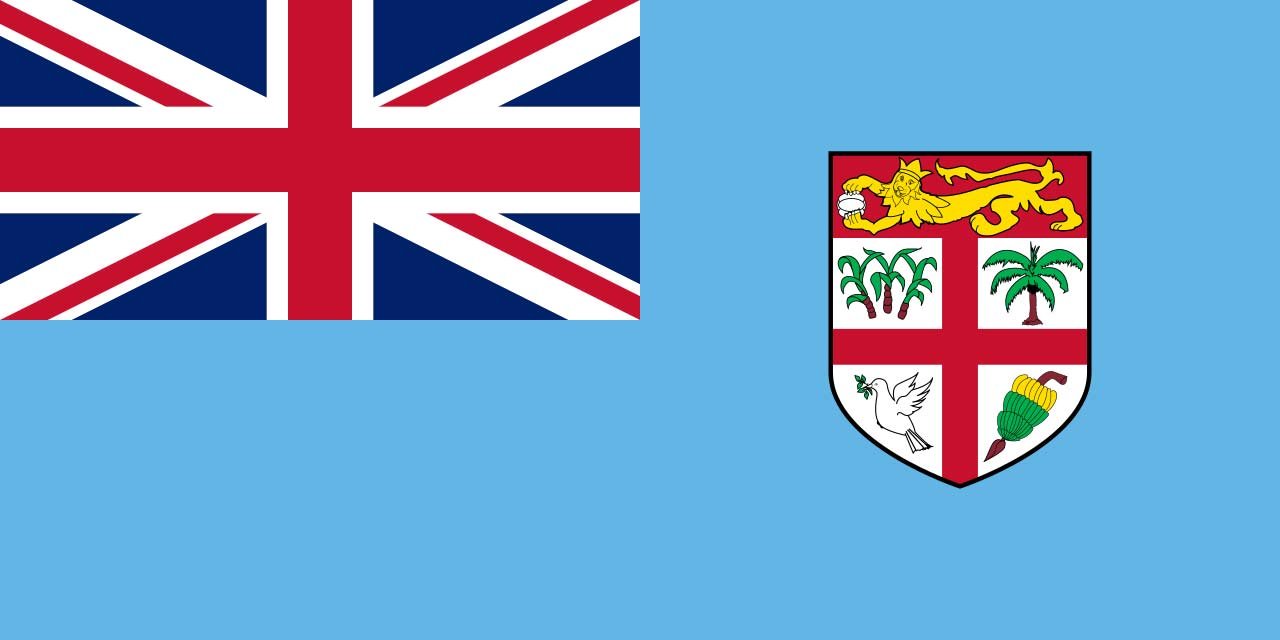
Yaqona: Fiji's National Drink
Kava is Fiji's national drink, known locally as yaqona (or sometimes malogu). It's grown across much of the country, particularly in Fiji's central and eastern divisions, and is deeply embedded in both everyday social life and formal protocol, covered in depth in The Fijian Kava Ceremony (Yaqona and Sevusevu) Explained.
Fijian Varieties
Fiji recognises around 13 commercial kava varieties, all falling into the noble chemotype pattern, even though Fiji doesn't formally use the term "noble" in its own classification the way Vanuatu's export law does. Well-known Fijian cultivars sold internationally include Loa Waka and Lewena. Read more: Popular Noble Kava Cultivars.
Kava as an Economic Engine
Kava has become one of Fiji's most important agricultural export commodities, in some recent years surpassing longstanding crops like sugarcane, ginger, and turmeric in export value. A significant share of rural Fijian households are involved in kava cultivation, and thousands more earn income through kava trade and retail. The United States and New Zealand are consistently Fiji's leading export markets, driven partly by the growth of kava bars abroad and partly by Pacific diaspora communities. Read more: The Global Kava Market.
Fiji's kava export industry has also weathered real setbacks, including a period of restricted access to the German and wider European market following that country's early-2000s regulatory concerns, before those restrictions were later lifted.
What to Look for in Fijian Kava
Fijian kava is commonly described by drinkers as smoother and less bitter than some Vanuatu cultivars, though this is a subjective impression rather than a measured property. As with any origin, ask your vendor for the specific cultivar name and, ideally, lab documentation confirming it's noble. See How to Choose Quality Kava.