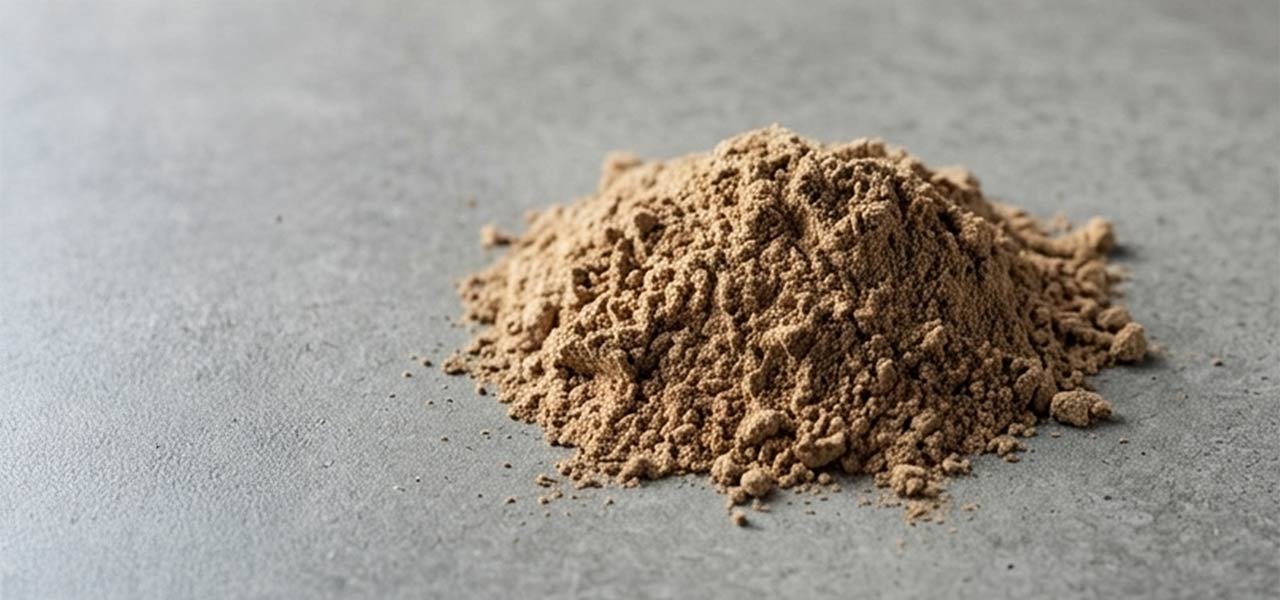
'Ava: Cultivation and Culture Together
In Samoa, kava, called 'ava, has been cultivated for roughly 3,000 years, as long as most of the wider Pacific tradition. It's grown on both main islands, Upolu and Savai'i. Unlike Fiji or Vanuatu, where kava is primarily discussed as a commercial crop first, in Samoa the plant's cultivation is inseparable from its role in the 'ava ceremony and fa'a Samoa, the Samoan way of life. Read the cultural side in full: The Samoan Ava Ceremony Explained.
An Emerging Export Sector
Samoa's kava export industry has historically been smaller in scale than Fiji's or Vanuatu's, but the government has identified it as an emerging economic sector worth developing. Samoa introduced a formal Ava Standard and Ava Regulations, developed with support from regional programs, to establish quality and safety guidelines across the 'ava value chain, including approved cultivars, aimed at making Samoan 'ava a more viable export product. Read more about the wider trade picture: The Global Kava Market.
A Real Agricultural Challenge
Samoa's kava farms have faced setbacks from kava dieback disease, a condition causing yellowing leaves and stem rot that has affected farms particularly in Savai'i. There's no chemical treatment currently available, so growers are advised to remove and destroy infected plants and prioritise fertile, well-managed soils to reduce the risk of spread. Challenges like this are part of why building a resilient, quality-focused export sector takes sustained investment.
Buying Samoan Kava
As Samoa's export sector develops, more Samoan kava, sometimes marketed distinctly for its smooth, creamy taste profile, has started appearing from specialty vendors. As with any origin, confirm the specific cultivar and, ideally, ask for lab documentation. See How to Choose Quality Kava.