
Meaning & Culture
Before kava is a drink served at a bar, it's a tradition, a centuries-old thread of ceremony, etiquette, and meaning that differs from island to island.
This hub covers what kava actually is, the ceremonial traditions of Fiji, Vanuatu, Tonga, Samoa, and Hawaii on their own terms, the etiquette worth understanding before you take part, and how kava culture has travelled well beyond the Pacific. If you're closer to actually buying kava, our Buying & Gifting guides pick up from here.
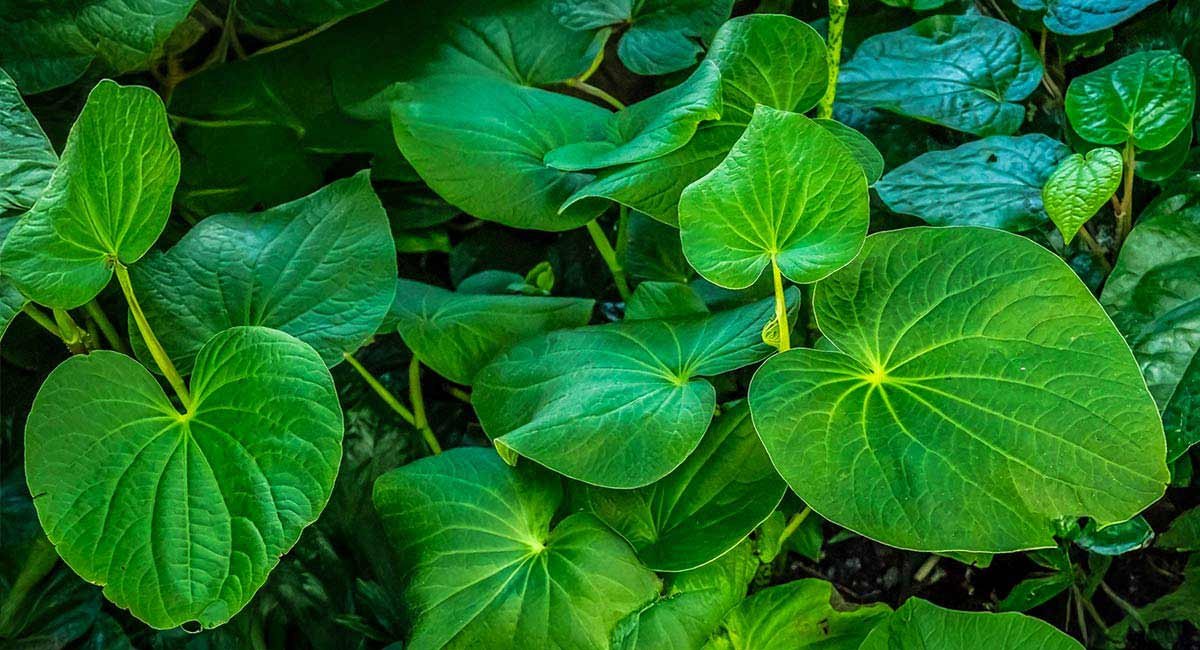
What Is Kava
The essentials: what kava is, where it comes from, and why it matters.
Read Guide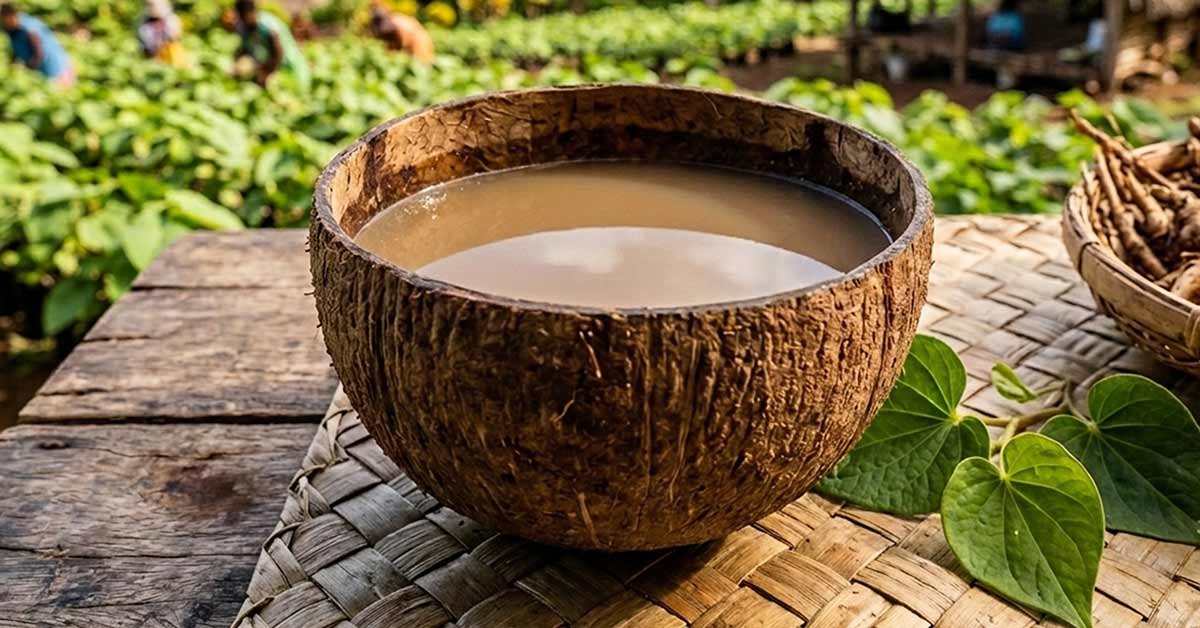
Kava Ceremony Etiquette
Protocol differs by culture, but showing respect is consistently valued. Here's how.
Read Guide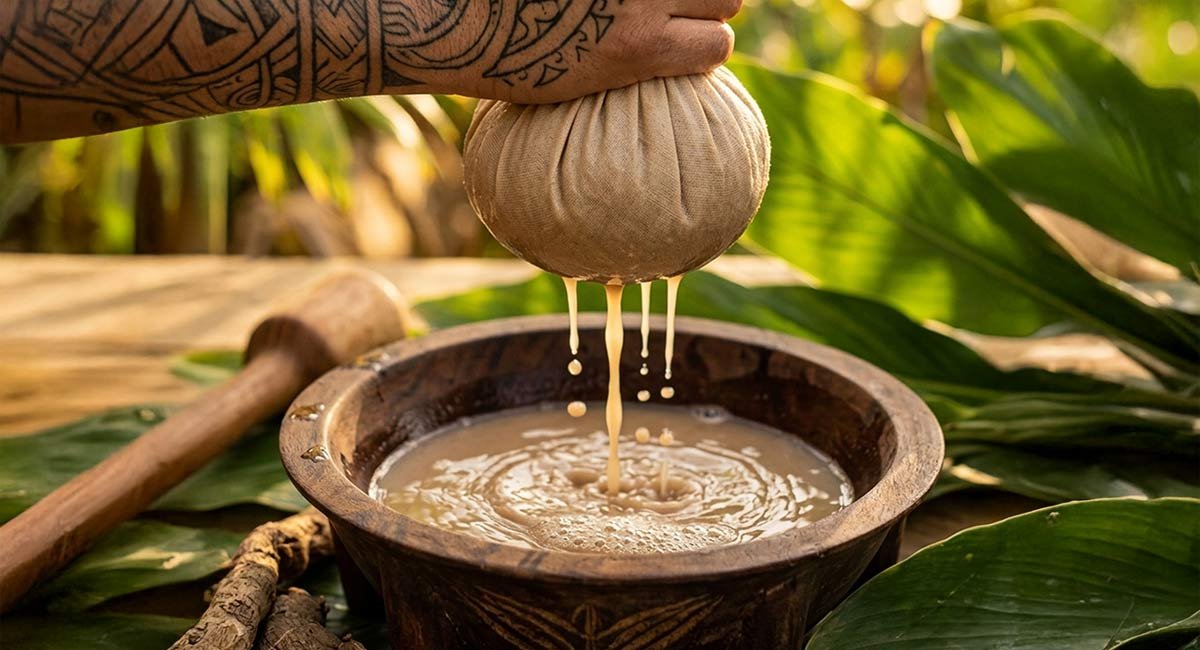
The History and Origins of Kava
From domestication in Vanuatu 3,000 years ago to a drink shared across the Pacific.
Read Guide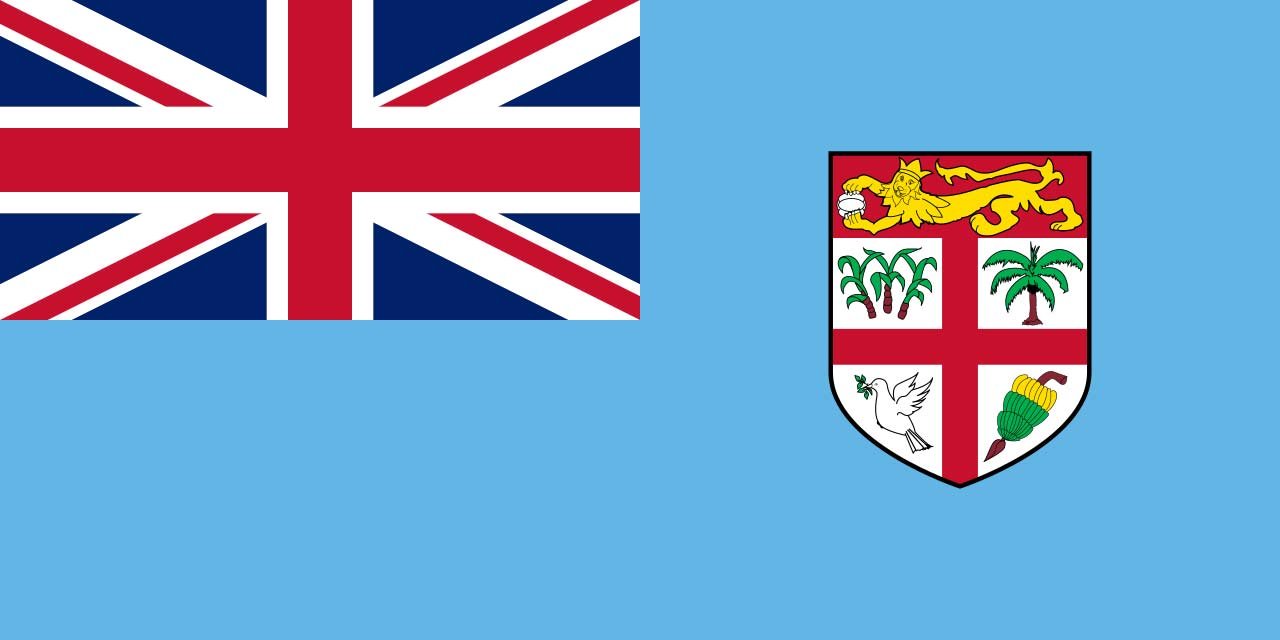
The Fijian Kava Ceremony (Yaqona & Sevusevu)
Sevusevu, protocol, and what yaqona means in Fijian social life.
Read Guide
The Vanuatu Kava Ceremony & Nakamal Culture
Inside the nakamal, and why Vanuatu is considered kava's place of origin.
Read Guide
The Tongan Kava Ceremony
Chiefly protocol, kava circles, and formal gathering etiquette in Tonga.
Read Guide
The Samoan Ava Ceremony
The matai system, formal welcome protocol, and ava's role in Samoan tradition.
Read Guide
Kava in Hawaii: Awa History & Culture
Awa's traditional ties to the ali'i and its modern cultural revival.
Read Guide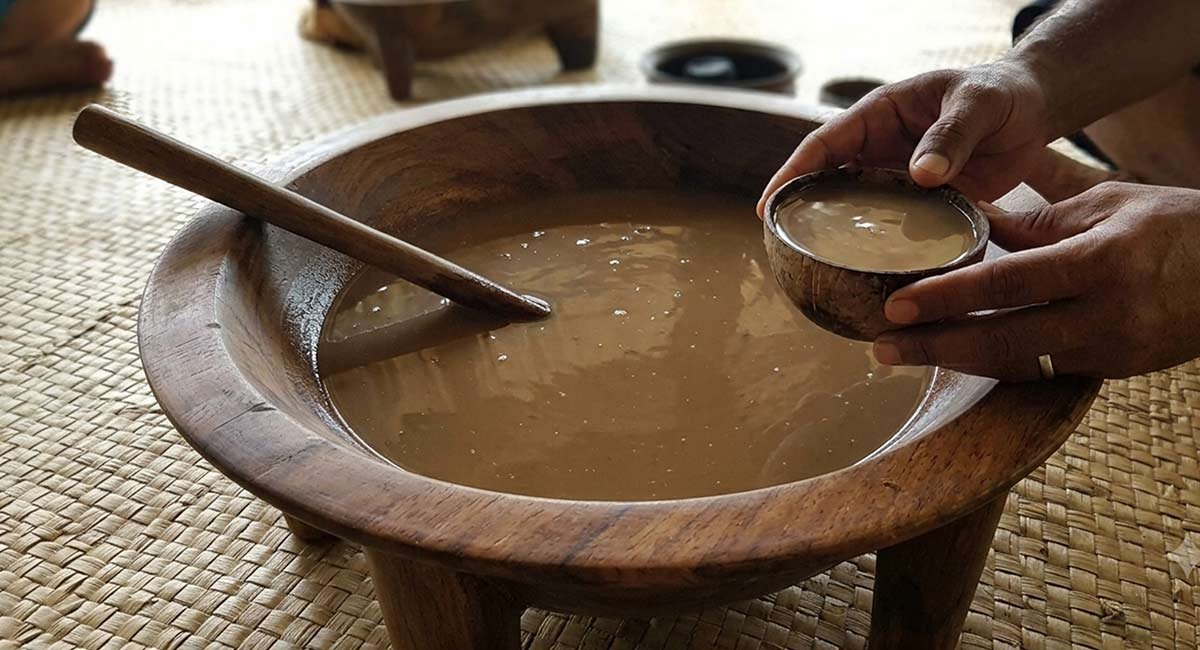
Kava Ceremony Terms Explained
Bilo, tanoa, sevusevu, and more: a plain-language glossary.
Read Guide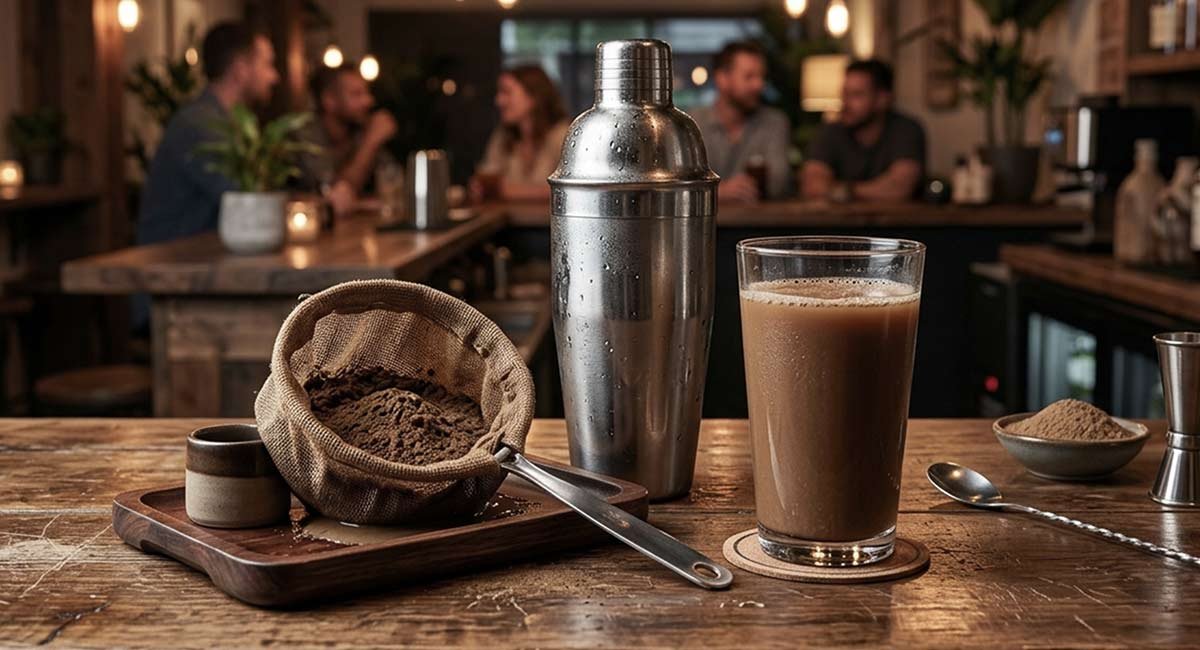
Kava Clubs (Kalapu) & Modern Social Kava Culture
How community kava drinking has evolved into clubs and modern gathering spaces.
Read Guide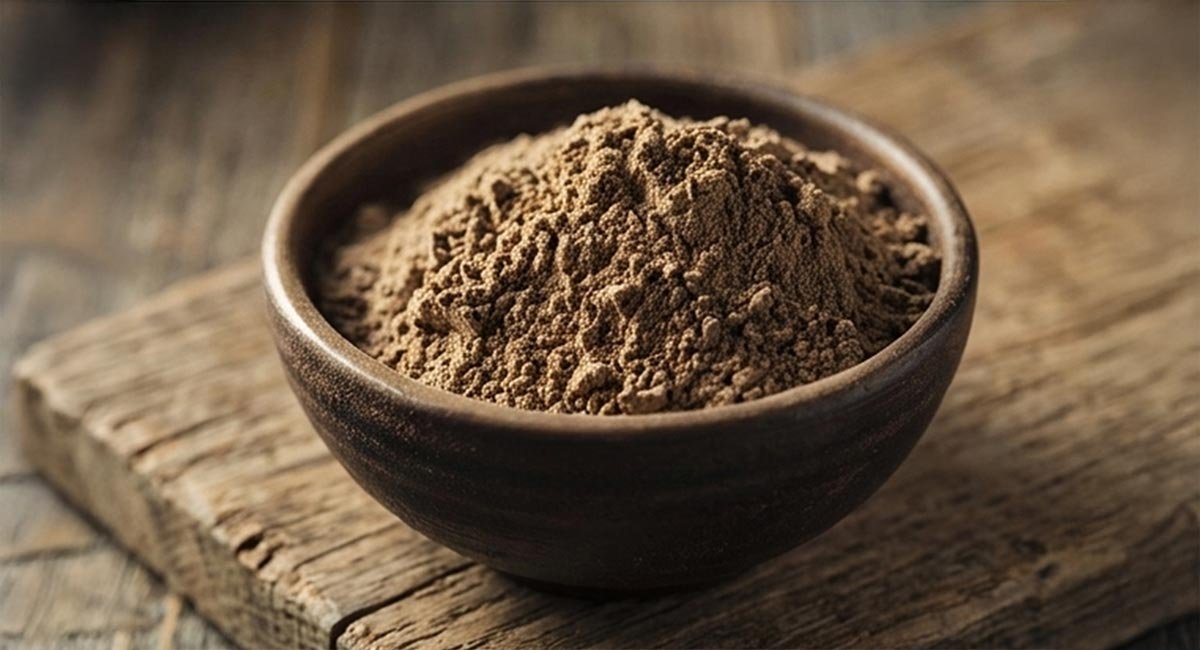
Kava in the Pacific Diaspora
How culture travels with the drink, from island communities abroad to kava bars worldwide.
Read Guide
Ready to Experience Kava Yourself?
Browse verified kava bars, shops, and vendors near you, or connect directly with farms and suppliers at the source.
Browse the DirectoryFrequently Asked Questions About Kava Meaning & Culture
Kava's meaning isn't the same everywhere. It carries different ceremonial and social significance in Fiji, Vanuatu, Tonga, Samoa, and Hawaii, so it's worth resisting one generic "Pacific kava culture." Our guide on what kava is covers this in full.
No. Fijian sevusevu, Vanuatu's nakamal culture, Tongan chiefly protocol, and the Samoan ava ceremony each have their own distinct etiquette. See our kava ceremony etiquette guide for a full breakdown by culture.
Terms like bilo (coconut shell cup), tanoa (the bowl kava is mixed and served in), and sevusevu (the formal presentation of kava) come up often. Our kava ceremony terms glossary covers these and more.
Pacific diaspora communities carried kava traditions abroad, and more recently, kava bars have popularised it further as an alcohol-free social drink. See kava in the Pacific diaspora for the full picture.
Most modern kava bars are casual, not formal ceremonies, so strict protocol usually isn't expected. That said, understanding where the tradition comes from is still worth it. Our guides on kava ceremony etiquette and kava clubs and modern social kava culture cover both sides.