How the Effects Compare
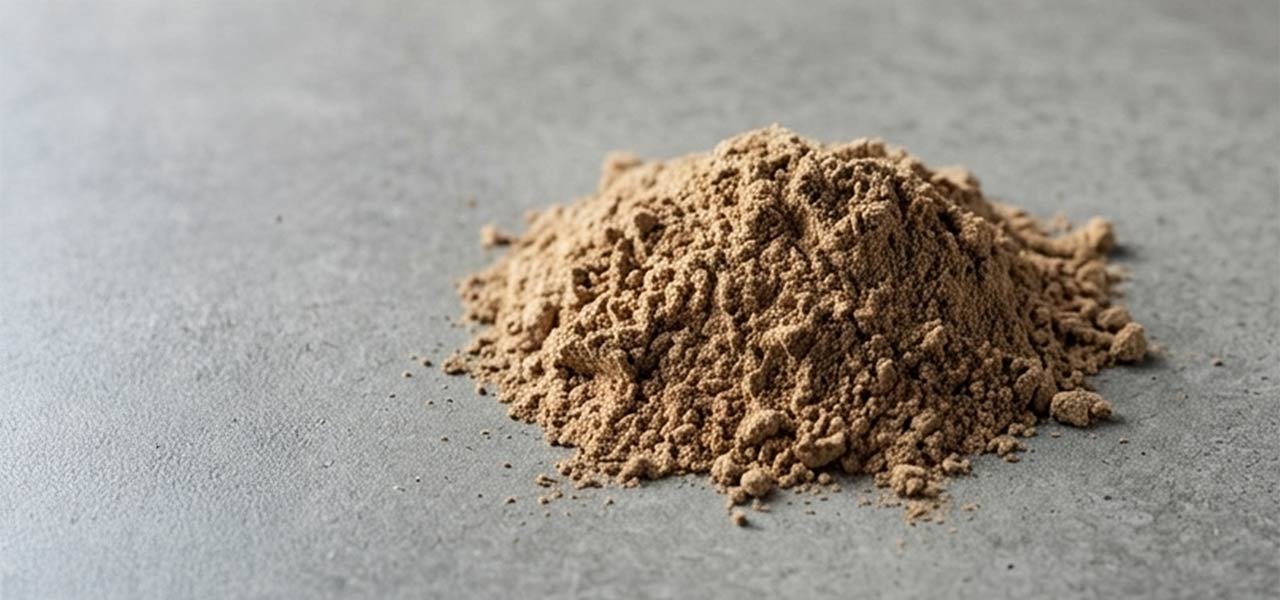
Both kava and alcohol interact with GABA, a calming neurotransmitter system in the brain, and both can produce a felt, social effect within a similar window of time. Where they diverge is in what that effect actually feels like. Alcohol's impairment tends to build progressively with each drink, affecting coordination, judgment, and memory. Kava is widely described by drinkers as producing a more contained effect, relaxed muscles and a calmer mind, without the same escalating impairment, though at higher doses kava can still cause noticeable sedation and reduced coordination. See What Does Kava Feel Like? for the fuller picture on kava specifically.
Hangovers and Next-Day Effects
Alcohol hangovers come from a combination of dehydration, gut irritation, inflammation, disrupted sleep, and a mild withdrawal as blood alcohol levels drop, according to research from the National Institute on Alcohol Abuse and Alcoholism. Kava is widely reported not to produce this same combination of symptoms, most drinkers report waking up without the classic hangover pattern, though drinking in excess can still leave you groggy or mildly dehydrated the next day.
Addiction and Dependence
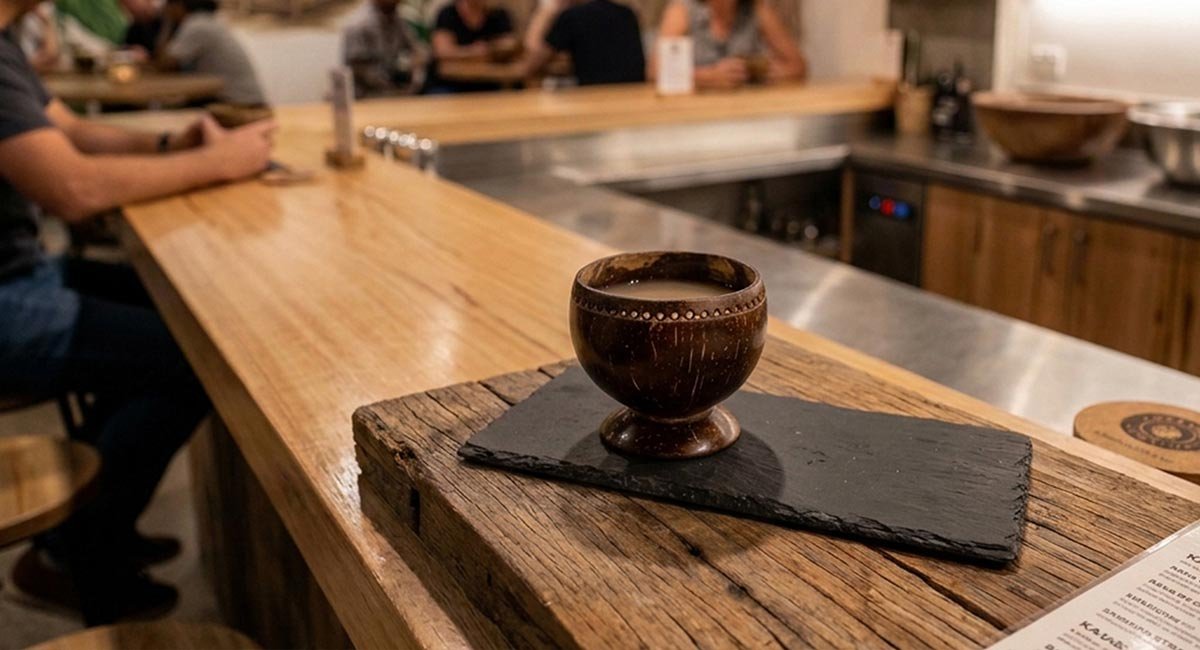
Alcohol carries a well-documented risk of dependence and, with chronic heavy use, liver damage. Kava is generally reported by researchers and long-term drinkers as non-addictive, without the tolerance-building or withdrawal pattern alcohol can produce. See Kava Tolerance and Reverse Tolerance Explained for how kava's relationship with regular use actually works, since it's genuinely different from alcohol's.
Should You Mix Them?
No. Kava can inhibit liver enzymes responsible for metabolizing alcohol, which means combining the two can intensify both substances' effects and side effects, including stronger sedation and a worse hangover than alcohol alone. Some Pacific communities do have a traditional practice of drinking alcohol shortly after kava, known as "kale" in Vanuatu and "washdown" in Fiji, but it's not considered the safer choice, and it largely defeats kava's purpose as an alternative in the first place. This isn't medical advice, and if you take medications or have liver concerns, consult a doctor before combining kava with anything else. See Kava Interactions With Alcohol, Medications, and Other Drugs for the fuller safety picture.