What Large-Scale Reviews Have Found
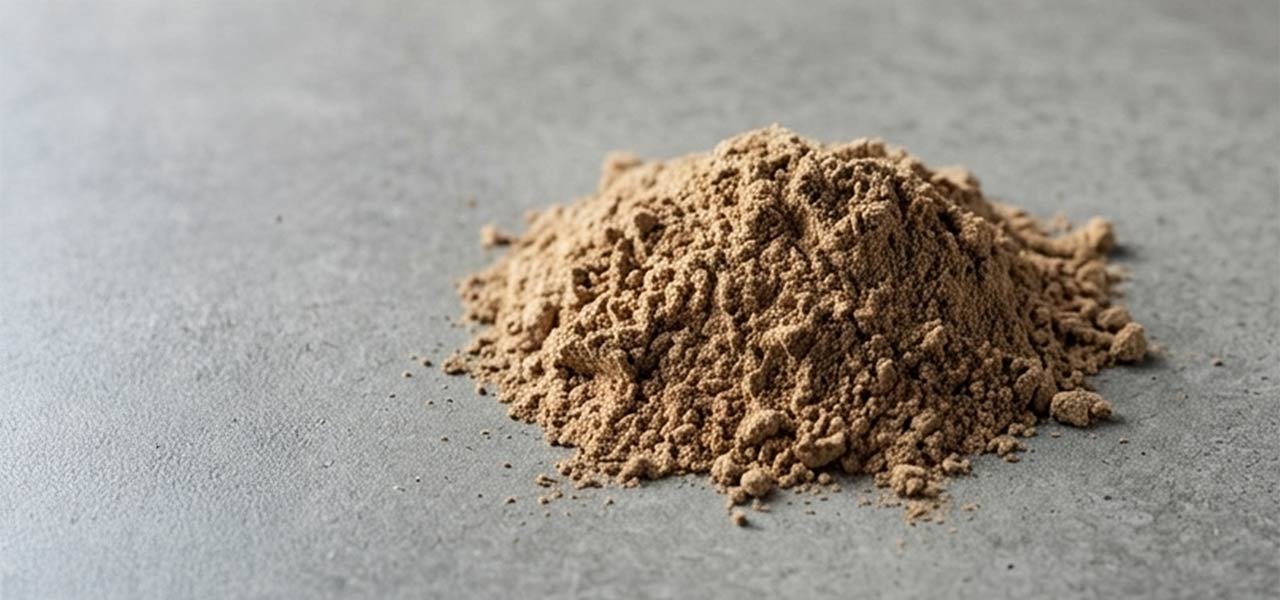
Reviews conducted by the World Health Organization and other health authorities, including Australia's Therapeutic Goods Administration, have found that when kava is properly prepared from noble cultivars using the traditional water-based method, the risk of liver injury is very rare, considerably lower than many common over-the-counter medications. Traditional water-based kava, as consumed for generations across the Pacific, has not been associated with liver injury in epidemiological studies. These reviews still recommend avoiding products made with organic solvents and call for continued quality standardisation and monitoring.
Where the Original Concern Came From
In March 2002, the FDA issued a consumer advisory after receiving reports connecting kava-containing supplements to severe liver injury, including a US case requiring liver transplantation, alongside more than 25 international reports. This advisory, and the German and Swiss regulatory bans that followed, shaped kava's safety reputation for years afterward.
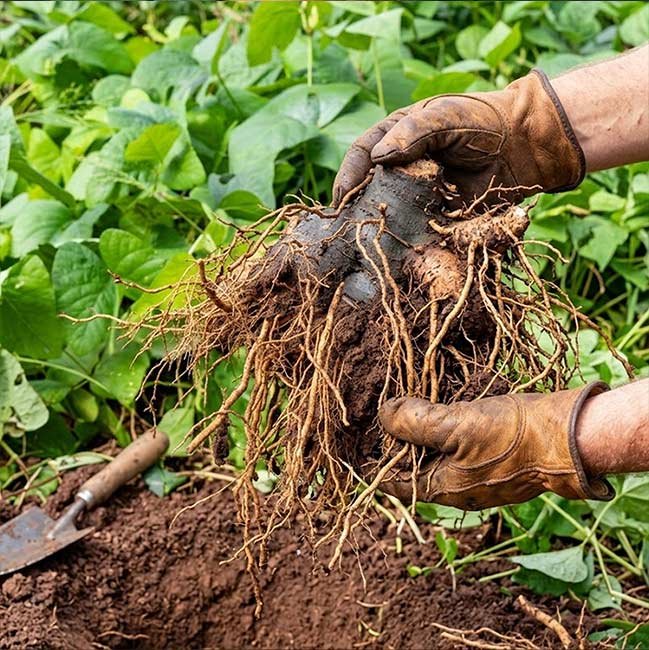
Later analysis of the implicated products identified three recurring factors: many used non-noble (tudei-type) cultivars rather than noble kava, many used leaves, stems, or bark rather than root, and many used acetone or ethanol extraction instead of the traditional water-based method. All three factors are independently associated with higher levels of compounds linked to liver cell toxicity. Read the specifics: Noble Kava vs Tudei Kava and Kava Root vs Kava Leaf and Stem.
Documented Side Effects
Even properly sourced noble kava can cause side effects, mostly dose-related and reversible when use is reduced: mild gastrointestinal discomfort, dermopathy (a temporary dry, scaly skin condition associated with heavy, chronic daily use), and drowsiness at higher doses. See Kava Side Effects and Who Should Avoid It for the full list.
Who Should Be Cautious
Kava shouldn't be combined with alcohol, benzodiazepines, opioids, or acetaminophen, and people with active liver disease or who are pregnant are generally advised to avoid it. See Kava Interactions and Kava, Pregnancy, and Existing Conditions for the specifics. None of this is medical advice, and if you're unsure whether kava is appropriate for your situation, ask a doctor.
Reducing Risk in Practice
The factors most consistently linked to lower risk in the research: choosing noble cultivars, sourced from root only, using moderate rather than escalating doses, and paying attention to early warning signs like unusual fatigue, appetite loss, nausea, dark urine, or yellowing skin or eyes, which warrant stopping and seeing a doctor if they appear. See How to Choose Quality Kava for how to source kava that meets these standards.