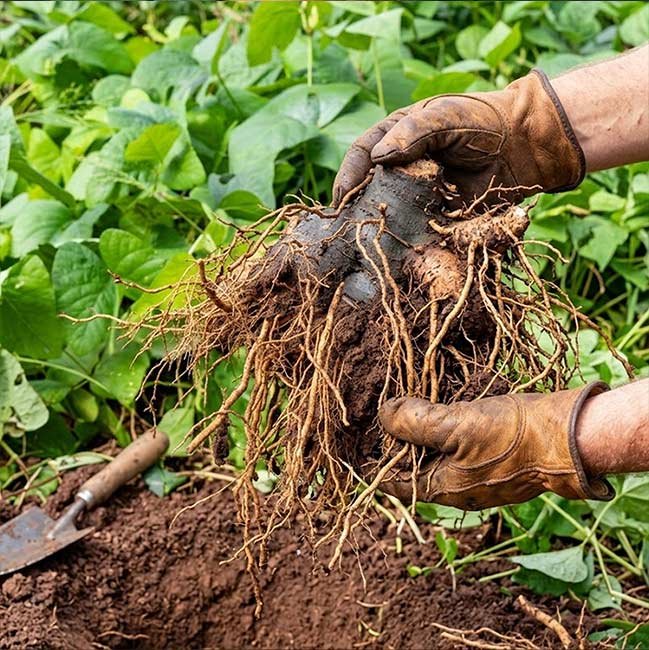
Traditional Root
This is kava in its most original form: dried root, pounded or ground, kneaded in water, and strained through cloth before drinking. It requires the most preparation time and equipment, but it's also the method with the longest track record and the fewest processing variables between the plant and your cup. Read the full guide: How to Prepare Kava.
Instant Kava
True instant kava is traditionally prepared kava juice that's been batched, filtered, and dehydrated into a powder. Because the fiber and coarse material have already been extracted and removed, instant kava mixes into water smoothly with no kneading or straining needed, and it tends to be somewhat more potent per gram than standard micronized powder, since you're not diluting the dose with plant fiber. It's generally the more expensive option per serving. Read more: How to Make Instant Kava (Quick Method).
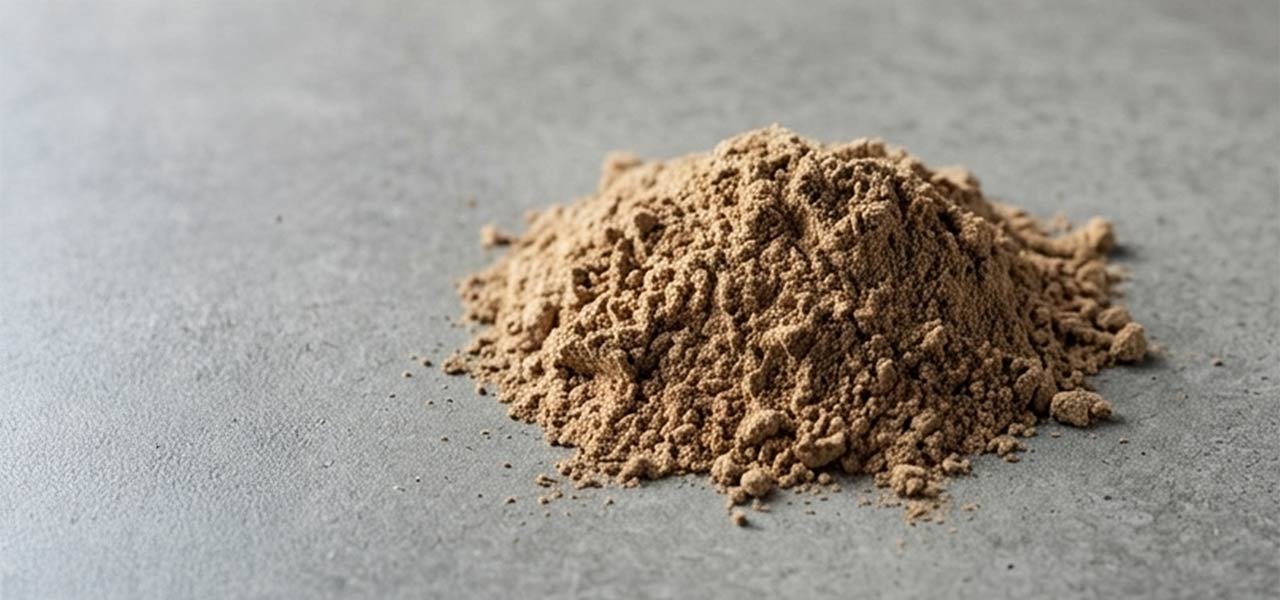
Micronized Kava
Micronized kava is whole kava root ground down to an exceptionally fine consistency, fine enough to drink directly without straining. Unlike instant, it still contains the root's fibrous material (sometimes called maka), which can make it more prone to causing nausea in some drinkers and is often somewhat less potent per gram than instant, though this varies by product. Some producers filter out the coarser fibers specifically to make a stronger, smoother micronized product, so quality varies meaningfully between brands. Instant and micronized are frequently confused, and sometimes mislabeled, by vendors, so it's worth checking exactly which one you're buying rather than assuming from the name alone.
Extracts, Tinctures, and Capsules
These formats use various extraction methods, water-based, ethanol, or supercritical CO2 among others, to concentrate kavalactones into a liquid or standardized capsule form. They trade taste, ritual, and the traditional preparation experience for convenience and, often, a more precisely dosed product. Because these formats involve more processing steps, sourcing from a reputable supplier who discloses cultivar and extraction method matters even more here than with root-based forms.
Which Form Should You Choose?
There's no universally "correct" choice, it depends on what you're optimizing for. Traditional root offers the most authentic experience and lowest processing risk. Instant kava is the closest convenient substitute for a traditionally brewed cup. Micronized is often the most affordable entry point. Capsules and extracts suit people who want the effects without the taste or the ritual. Whichever form you choose, cultivar (noble, not tudei) matters more than format for safety. See How to Choose Quality Kava: A Buyer's Guide.