Domestication in Vanuatu
Most evidence, botanical, chemical, genetic, and linguistic, points to farmers in northern Vanuatu as the first to select and cultivate kava, roughly 2,500 to 3,000 years ago. Kava was domesticated from a wild ancestor plant called Piper wichmannii, which still grows in parts of Vanuatu and the Solomon Islands today.
Piper methysticum doesn't produce viable seed, which means every kava plant grown since has descended from cuttings, propagated by hand, generation after generation. That's part of why cultivars matter so much: each one is a distinct genetic lineage carried forward by farmers, not something that occurs naturally from seed. Read more: Kava in Vanuatu.
Spreading Across the Pacific
From Vanuatu, kava travelled with Austronesian voyagers to Fiji, Tonga, and Samoa, and eventually reached Hawaii, taking on a different name and a different set of traditions in each place. Fiji built kava, as yaqona, into a central tool of diplomacy and social order. Tonga and Samoa tied it to chiefly and matai ceremony. Hawaii's awa became associated with the ali'i and traditional healing practice. Each of these is covered in its own guide, since collapsing them into one story misses what actually makes each tradition distinct.
European Contact and the Name "Piper Methysticum"
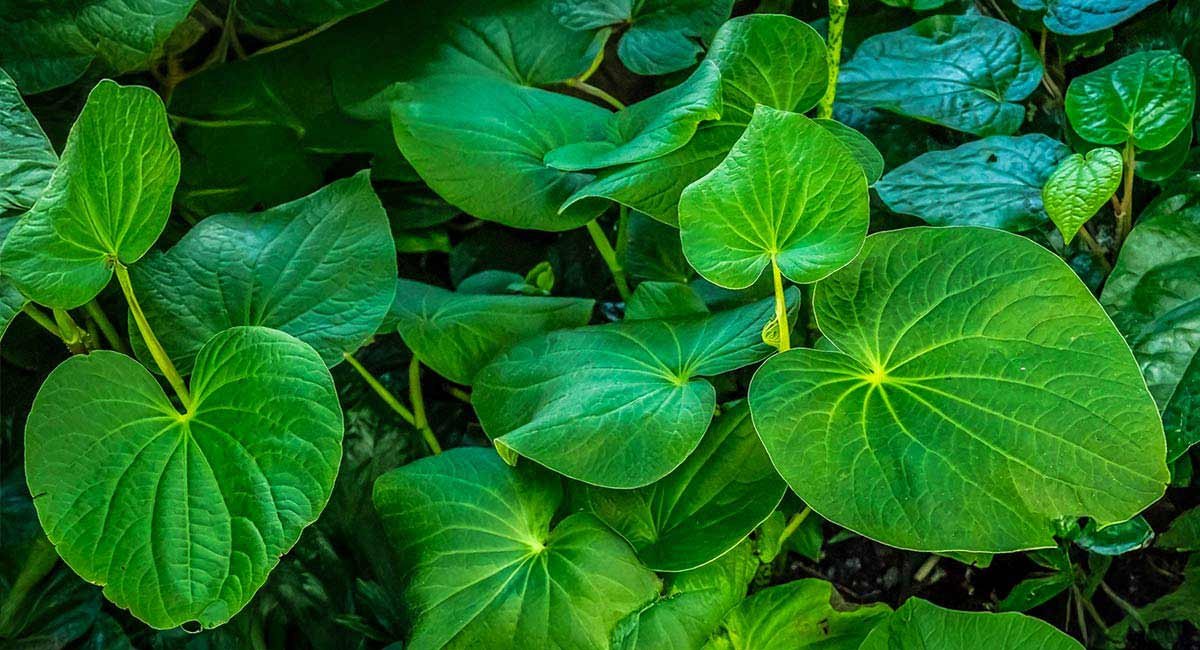
Captain Cook's voyages brought European naturalists into contact with kava in the 1770s. Johann Georg Forster, who sailed with Cook, gave the plant its scientific name in 1786: Piper methysticum, meaning "intoxicating pepper." On Cook's third voyage, the expedition's artist John Webber illustrated King Poulaho of Tonga drinking kava at a ceremony, one of the earliest European depictions of the practice.
Missionary Suppression
In the 19th century, Christian missionaries in parts of the Pacific viewed kava drinking as competition to Christian ritual and tried to suppress it, sometimes pushing tea or alcohol as a replacement. The consequences of that substitution were, by most accounts, worse rather than better: kava had traditionally promoted a calm social atmosphere, while the alcohol that replaced it in some communities brought new social problems that hadn't existed before.
The German Ban and a Modern Reckoning
Kava's most consequential modern controversy played out in Germany. Following case reports of liver damage in the late 1990s, German regulators withdrew kava-containing medicinal products from the market in 2002, and other countries followed. The scientific basis for the ban was later challenged, and in 2014 a German court overturned it, finding the regulator hadn't adequately proven the claimed link. The episode reshaped how kava is regulated in parts of Europe and remains a reference point in ongoing safety discussions. Read more: Is Kava Legal? A Country-by-Country Guide and Kava and Liver Health.
Kava's Modern Revival
Outside the Pacific, kava has found new life as an alcohol-free social drink. The first dedicated kava bar in the United States opened in Boca Raton, Florida, in 2002, and the concept has grown steadily since, especially in Florida, as more people look for social alternatives to alcohol. Read more: Kava Bars Around the World.