The Original Homeland: Vanuatu
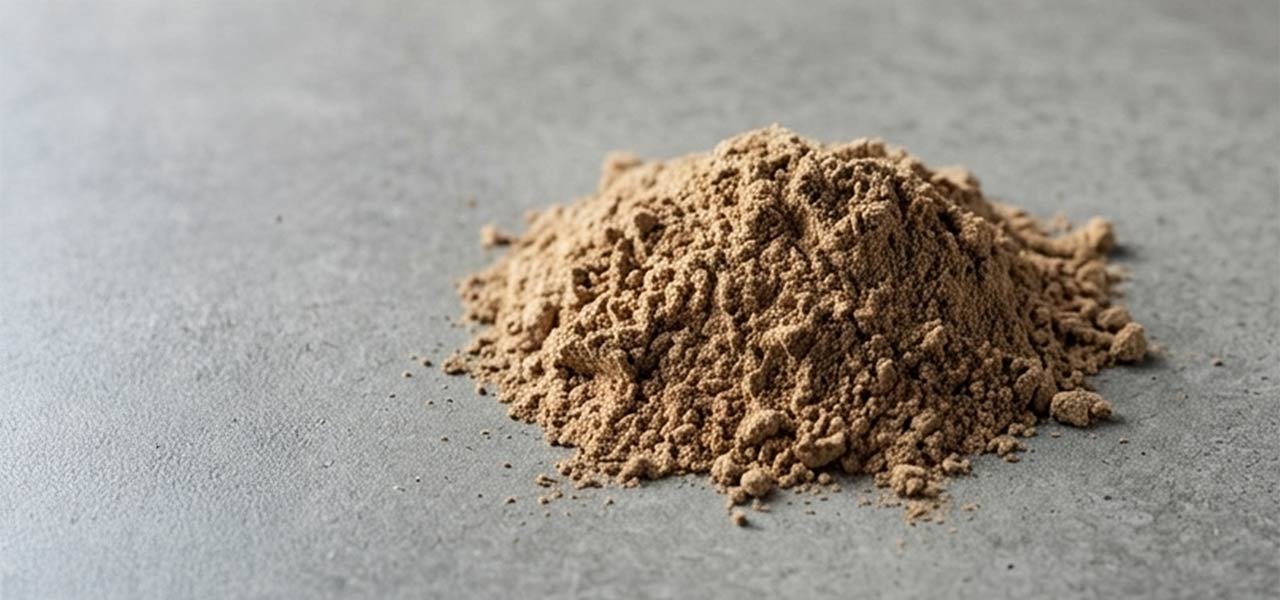
Most evidence points to northern Vanuatu as the place kava was first domesticated, roughly 2,500 to 3,000 years ago, from a wild ancestor plant called Piper wichmannii. Vanuatu remains the most genetically diverse origin, with more than 80 documented kava varieties across its islands, many unique to a single island. Read more: Kava in Vanuatu and The History and Origins of Kava.
Spreading Across the Pacific
From Vanuatu, kava travelled with Austronesian voyagers to Fiji, Tonga, and Samoa, and eventually reached Hawaii roughly 1,500 to 1,600 years ago. Each region developed its own cultivars, adapted to local conditions and shaped by local preferences. Explore each: Kava in Fiji, Kava in Tonga, Kava in Samoa, and Kava in Hawaii.
Kava as a Modern Export Crop
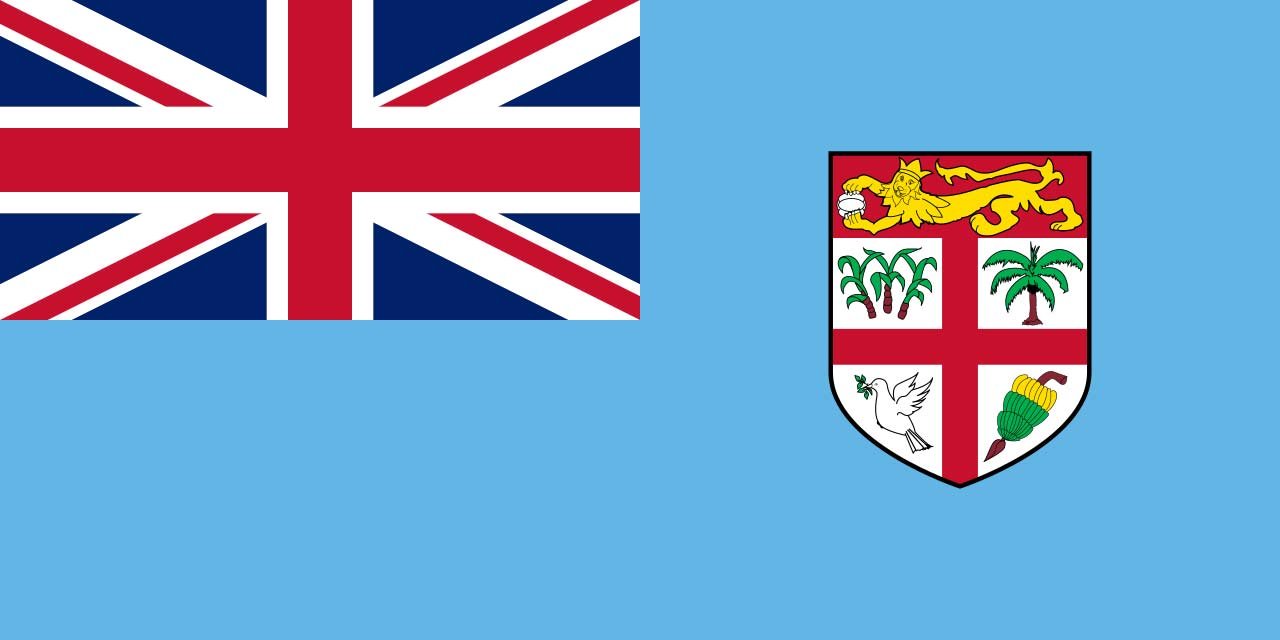
Kava has grown into one of the most economically important agricultural exports for both Fiji and Vanuatu, in some recent years even surpassing longstanding cash crops like sugarcane, copra, and cocoa in each country's export figures. The United States, New Zealand, and Australia are among the leading export markets, driven partly by kava bars and partly by Pacific diaspora communities abroad. Read more: The Global Kava Market: Diaspora, Trade, and Export.
Does Origin Actually Matter?
Cultivar matters more than country of origin alone, but growing region does shape flavour, and some cultivars are genuinely specific to certain islands. Origin is also a useful starting point when talking to a vendor, since reputable sellers can usually tell you both the cultivar and where it was grown. See Types of Kava for how cultivar and origin interact.