What Is a Nakamal?
A nakamal is a communal space that functions as a kava bar, a meeting house, and, historically, a men's clubhouse all at once. Across Vanuatu, it's where the day reliably ends. Port Vila, the capital, has grown from only a handful of nakamals in 1980 to more than 60 today, many people describe having largely replaced imported alcohol with kava since independence. Nakamals range from simple, dimly lit bamboo-and-tin shelters in villages to more established setups in towns, but the atmosphere stays consistent: low light, low noise, low stimulation.
The Evening Ritual
Kava drinking in Vanuatu is an evening tradition. As dusk approaches, people drift into the nakamal, drink their shell in near silence, step outside to spit and let it settle, and sit with the quiet that follows. There's conversation and even laughter, but not shouting, and there's no toasting the room the way you might at a Western bar. The etiquette is built around lowering the volume of the world rather than raising it, since kava's calming effect is the point, not something to compete against.
Chewed Root and Pounded Root
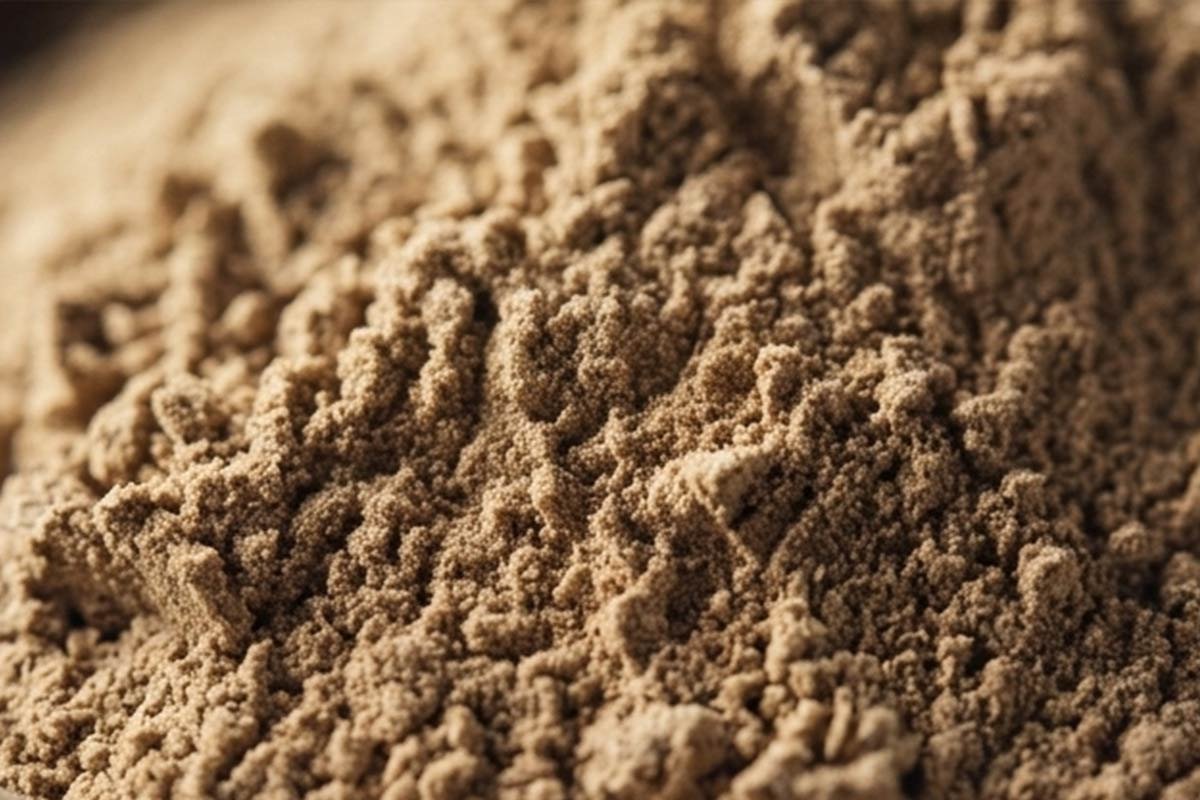
Historically, kava root was chewed rather than pounded in parts of Vanuatu, particularly on islands like Tanna in the south, where the practice continues today. Chewing breaks down the root's fibres through enzymatic action, releasing the kavalactones more effectively than early mechanical methods could. This custom, sometimes done by young men chosen for the role, is actually believed to be a Polynesian import that travelled into southern Vanuatu rather than a holdover from the plant's original northern homeland.
Today, most preparation, especially in urban nakamals, uses pounding or grinding instead, with hand-cranked or electric grinders common in larger towns. Read more: How to Prepare Kava.
Etiquette If You Visit a Nakamal
Keep your voice down, and take your cues from the room rather than treating it like a typical bar. The shell is drunk in one go, not sipped, and it's common for a nakamal to have a "washemout" station nearby, water, or a snack vendor, to help clear the earthy taste afterward. Vanuatu kava also tends to be noticeably stronger than Fiji's, particularly cultivars from islands like Pentecost and Tanna, so pacing yourself and starting with a smaller shell is a reasonable approach if you're new to it.