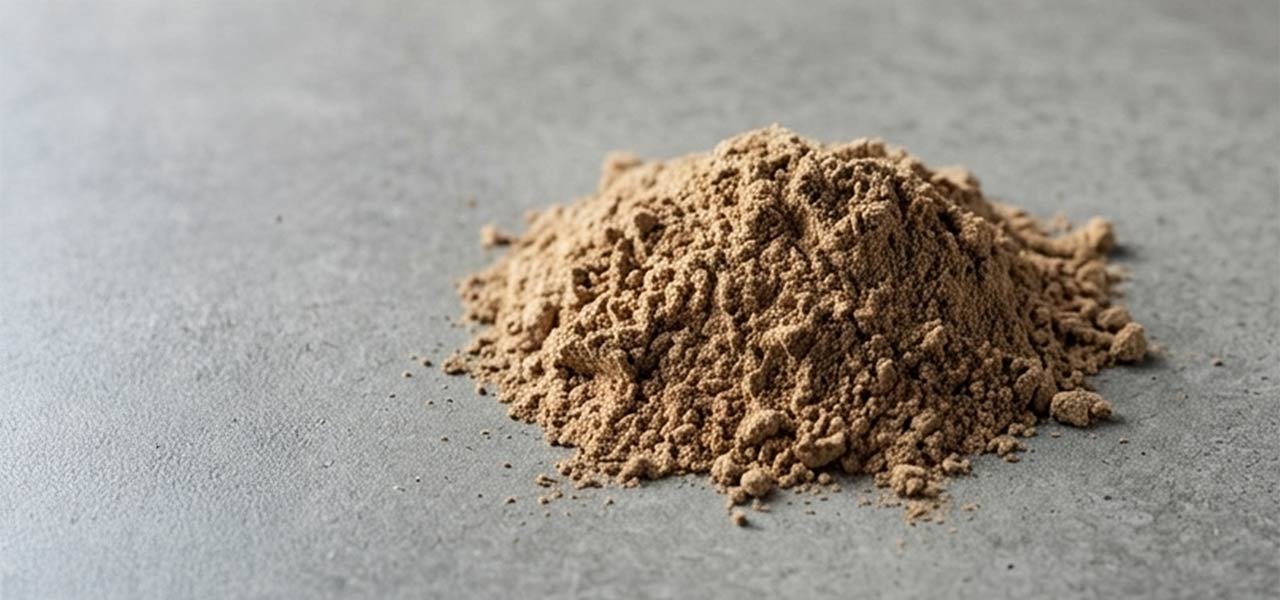
What You'll Need
Traditional-grind kava root powder, a strainer bag (muslin or nylon, sometimes called a nut milk bag), a mixing bowl, and water. A tanoa or other large bowl is traditional but not required, any bowl works. Read more: Kava Preparation Equipment.
Step by Step
1. Measure your kava. Use 2 to 4 tablespoons (roughly 10 to 20g) of traditional-grind kava powder per serving. Start on the lower end if it's your first time.
2. Add water. Place the powder in your strainer bag, set it in your bowl, and pour in roughly 8 to 12 ounces of water per serving. Warm water, ideally around 100 to 120°F, extracts kavalactones more effectively than cold, though cold water works too with more kneading time.
3. Soak briefly. Let the bag sit submerged for a couple of minutes so the powder saturates.
4. Knead. This is the step that actually matters most. Squeeze, massage, and work the bag continuously for 10 to 20 minutes, the same motion as kneading dough. The water will gradually turn muddy, opaque, and tan-brown as kavalactones extract. Keep going until it looks that way, not just for a fixed time.
5. Wring it out. Squeeze the bag firmly to extract as much liquid as possible, then set the spent root fiber aside.
6. Optional second wash. You can knead the same root again in fresh water for a second, weaker batch, either to drink separately or combine with the first for a milder, longer session.
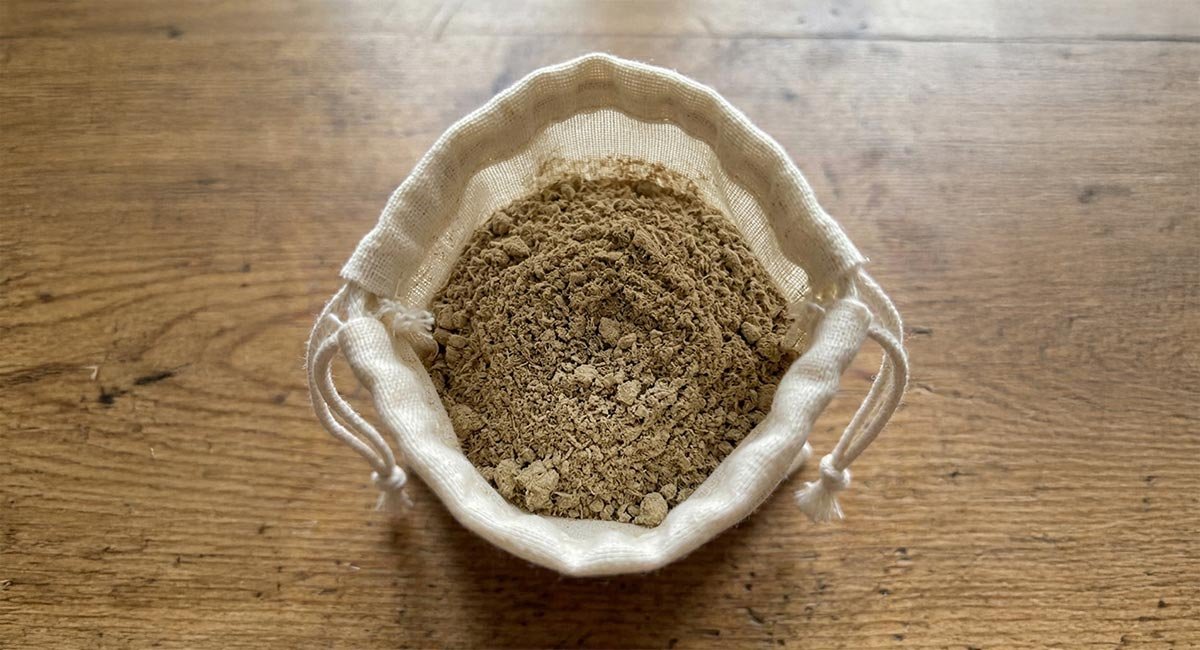
Why Kneading Matters More Than Steeping
Kavalactones don't dissolve into water on their own the way tea leaves release flavour by steeping. They need to be physically worked out of the root fiber through kneading, squeezing, or blending. Simply dunking kava powder in hot water without agitation won't extract much, which is why the kneading step, however tedious it feels the first time, is the actual mechanism behind traditional preparation, not just ritual for its own sake.
The Quick Alternative
If you don't have time for the full traditional method, instant kava skips the kneading and straining entirely. See How to Make Instant Kava (Quick Method).