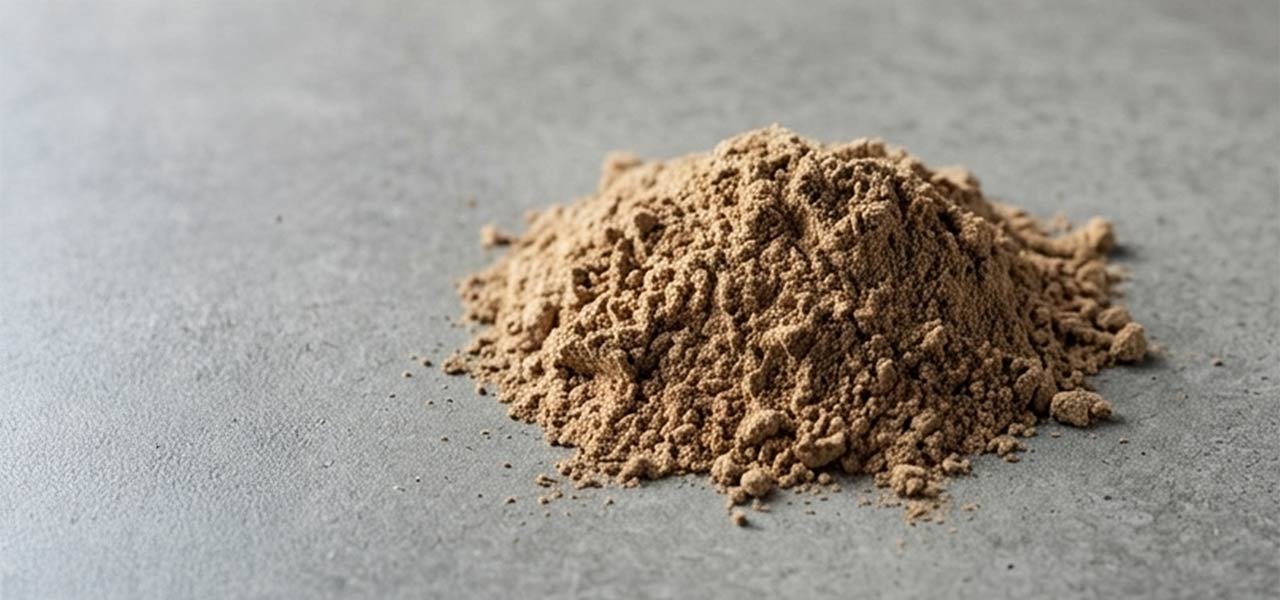
The Strainer Bag
For traditional-grind kava, a reusable strainer bag is the single most important piece of equipment. Look for a 75 to 80 micron food-grade nylon bag, similar to bags used for making nut milk. Nylon is generally preferred over cheesecloth or an old t-shirt, since fabric tends to absorb some of the lipid-soluble kavalactones into its own fibers rather than letting them pass into your drink, and fabric doesn't filter as reliably either. Too fine a mesh and woody fiber slips through with the liquid; too coarse and resins don't extract as well, which is why 75 to 80 microns has become the broadly agreed sweet spot.
A Bowl (Tanoa Optional)
A tanoa, the traditional carved wooden bowl used across the Pacific, adds to the ritual and communal feel of preparation, but any wide bowl works functionally just as well for kneading and mixing. If you're preparing kava regularly, a dedicated bowl just keeps things simple, nothing more is required.
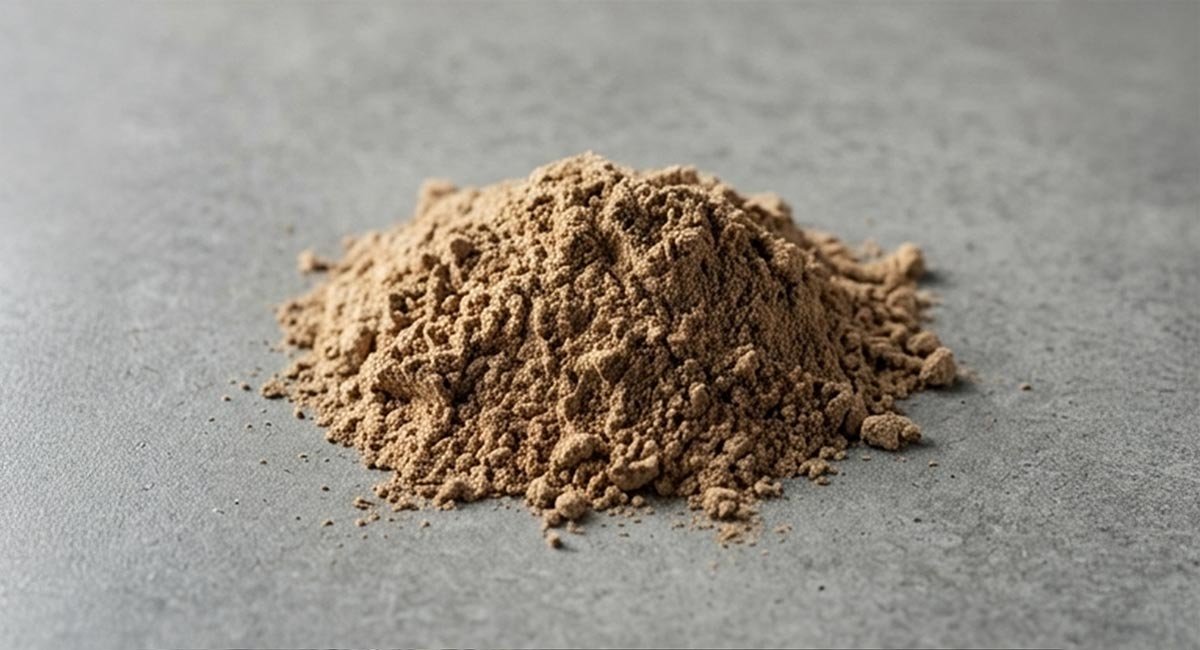
Shaker Bottles and Mesh Balls
For a faster alternative to hand-kneading a bag, some drinkers use a shaker bottle combined with a small filter ball that has a built-in fine mesh screen. You fill the ball with kava, add water, and shake for a couple of minutes instead of kneading by hand. Opinions are genuinely mixed here: some people prefer the convenience, others find a simple strainer bag more durable, easier to clean, and more versatile for larger batches. Neither is objectively correct, it comes down to preference and how much kava you're making at once.
What You Don't Need
Instant kava, already extracted and dehydrated, doesn't need a strainer bag at all, just a spoon or a shaker bottle to mix it into water. Micronized kava (very finely ground whole root) often doesn't need a strainer either, though it retains some fine fiber, so a small number of people with sensitive digestion still prefer to strain it. Read the specific instructions for whatever product you're using rather than assuming based on the word "powder" alone, since preparation needs genuinely differ between traditional, micronized, and instant kava. See Kava Forms Explained.